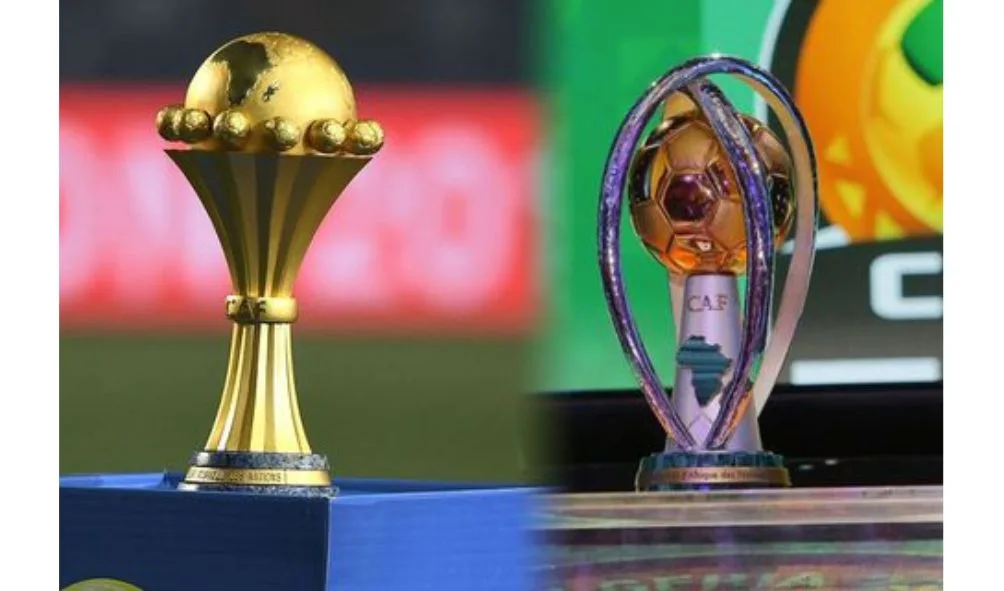
FAMReports Sports Desk
In the landscape of African football, two major continental tournaments dominate conversations and headlines—the African Nations Championship (CHAN) and the Africa Cup of Nations (AFCON). While both fall under the auspices of the Confederation of African Football (CAF) and celebrate national pride, they serve different purposes and appeal to different levels of the football spectrum.
Origins and Evolution
AFCON is the older of the two competitions, dating back to 1957, making it the most prestigious football tournament on the African continent. It was established to bring together the best national teams across Africa in a bid to crown the continent’s football kings. Over the decades, it has grown from a modest three-team tournament to a widely followed, world-class sporting event with 24 competing nations.
In contrast, CHAN is a more recent addition, introduced in 2009 as a developmental counterpart to AFCON. It was created specifically to spotlight home-based talent—players who ply their trade in their respective domestic leagues. In doing so, CHAN aims to unearth grassroots potential, offering a platform to athletes who may otherwise be overshadowed by their overseas-based counterparts.
Who Gets to Play?
The key difference between CHAN and AFCON lies in player eligibility.
In CHAN, only players who play in their country’s domestic league are eligible to participate. For example, a Kenyan footballer playing in the English Premier League cannot feature for Kenya in CHAN, even if he is one of the nation’s top talents. The objective here is to give national team selectors and scouts a close look at local players with international potential.
On the other hand, AFCON has no such restrictions. It features the best talent available to any national team, regardless of where the players are based. Whether a striker is playing in Italy’s Serie A, France’s Ligue 1, or Saudi Arabia’s Pro League, if they’re eligible and in form, they make the squad.
Prestige and Global Spotlight
There is no denying that AFCON is Africa’s most prestigious football competition. It attracts global media coverage, multi-million dollar sponsorships, and high-profile viewership across Europe, Asia, and the Americas. Legendary African players like Didier Drogba, Samuel Eto’o, Mohamed Salah, and Sadio Mané have all graced the AFCON stage, further enhancing its appeal.
CHAN, on the other hand, remains relatively low-profile, mostly followed by regional audiences and domestic football fans. While it doesn’t attract the star power of AFCON, it has succeeded in providing a unique platform to players who may have otherwise remained unknown on the international scene. For instance, CHAN has helped launch the careers of several African players who went on to secure contracts in Europe and Asia.
Purpose and Impact
AFCON’s primary goal is to determine the best national team in Africa. It is a celebration of elite footballing skill and national rivalry. Success at AFCON carries immense prestige and is often considered a defining milestone in a player’s or coach’s career.
In contrast, CHAN is more about capacity building and talent exposure. It gives African nations a chance to invest in and highlight local talent, while offering home-based players a rare international tournament experience. For many of these players, CHAN is a stepping stone to professional opportunities abroad.
Trophy and Tournament Format
Both tournaments follow a similar structure: group stages followed by knockout rounds. However, the scale differs:
AFCON now features 24 teams, a format adopted in 2019 to widen participation and competition.
CHAN features 18 teams, with slightly more modest logistical demands due to the domestic-only player rule.
Both competitions award a trophy, medals, and financial prizes. However, AFCON winners receive significantly more prize money due to greater sponsorship and broadcasting deals.
The Role of CAF and National Associations
CAF manages both tournaments with support from national football associations. While AFCON tends to receive significant attention and funding, CHAN is increasingly being recognized as a key part of CAF’s football development strategy.
Governments and football federations across the continent are encouraged to invest in CHAN as a tool to strengthen their domestic leagues. CHAN also incentivizes federations to improve local coaching, infrastructure, and sports science, all of which contribute to the long-term growth of African football.
Fan Engagement and Media Attention
AFCON captures the hearts of fans across the continent. Streets fill with cheering supporters, businesses close early on match days, and every goal becomes a moment of national pride. The competition enjoys extensive coverage across global sports networks such as SuperSport, beIN Sports, and Canal+.
Recommended: Powering Purposeful Careers: GCAP Unleashes Youth Potential Through Skills, Strategy, and Opportunity
By contrast, CHAN’s coverage is more localized, with many matches broadcast mainly on national television and regional platforms. However, with CAF’s renewed focus on elevating the tournament’s status, media engagement is steadily growing. Digital streaming platforms and regional sports networks are beginning to recognize the value of broadcasting CHAN, especially as viewership for local content increases.
Challenges Facing CHAN
While CHAN’s mission is noble, it faces several challenges:
Limited visibility and funding make it less attractive to sponsors.
Some top domestic players move abroad mid-season and become ineligible.
The quality of football, while passionate and competitive, often lacks the polish of AFCON’s star-studded lineups.
Nonetheless, CHAN remains an important part of African football’s ecosystem, bridging the gap between raw domestic talent and professional success.
The Future of Both Tournaments
CAF has signaled its commitment to maintaining and developing both tournaments. Recent CHAN editions have been better organized and more competitive, with increasing emphasis on production quality and fan experience. Meanwhile, AFCON continues to grow in stature, with plans to further globalize its branding and reach.
Recommended: Algeria Awards 210 Scholarships to Ugandan Students as Africa Prepares for TICAD IX
In the long term, CHAN may well serve as the engine room for future AFCON stars, helping African countries build deeper squads and more competitive national teams.
Both CHAN and AFCON serve distinct but complementary roles in the development of African football. CHAN is about nurturing local talent and empowering domestic leagues, while AFCON is about showcasing Africa’s best on a global stage. Understanding their differences allows fans, players, and federations alike to appreciate the layered depth and passion that defines the beautiful game on the continent.
Trusted Stories. Informed Voices. Impactful Reporting.
📍 www.famreports.com | 📧 info@famreports.com | 📱 @FAMMediaGroup