FAMReports Opinion Desk | May 2026
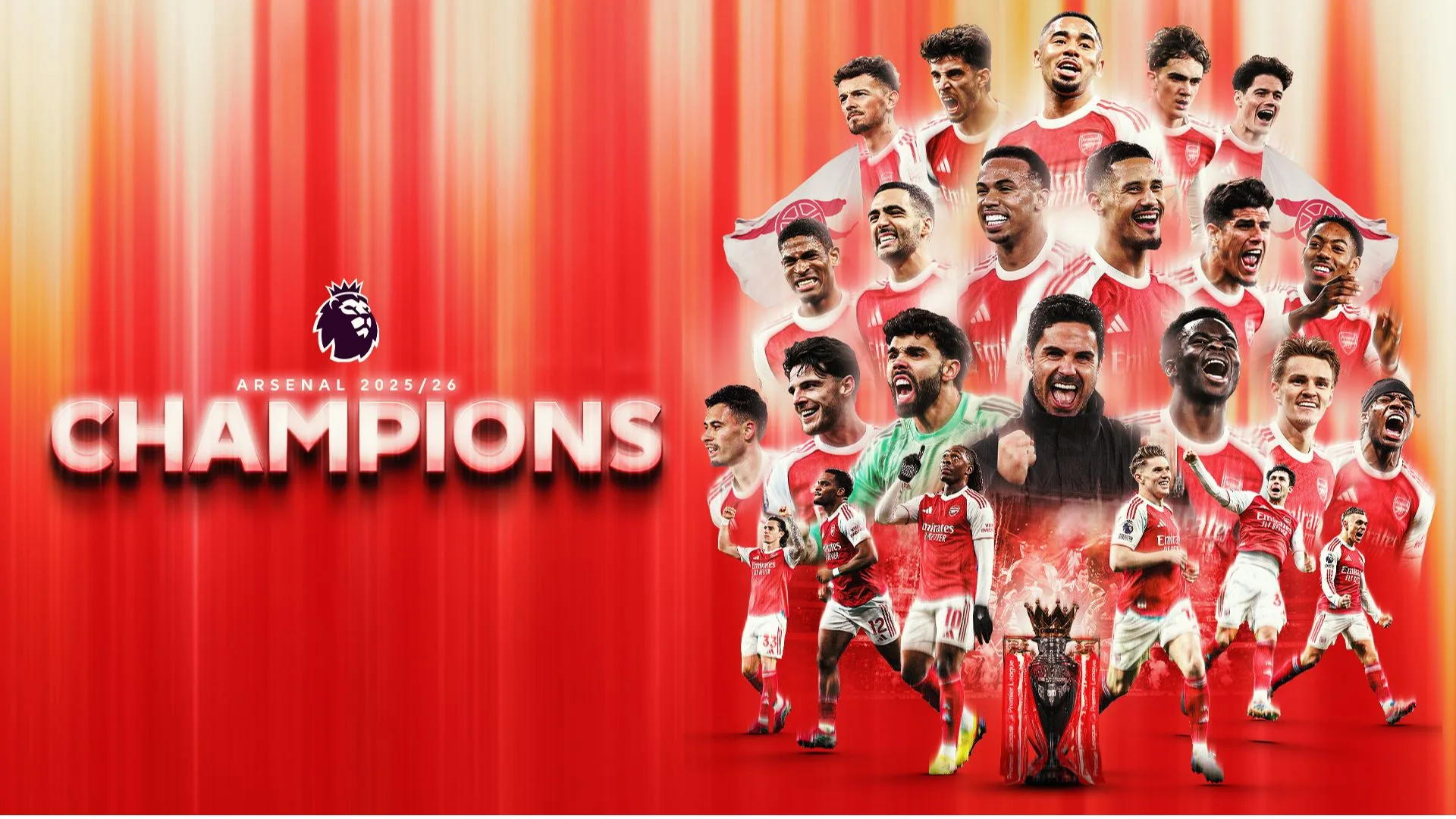
As Arsenal F.C. finally lifts the English Premier League title after years of heartbreak and near misses, celebrations are expected to erupt across Uganda and many parts of Africa. Bars will overflow with jubilant supporters, social media timelines will explode with banter, and rival fans will once again engage in emotional football warfare.
But amid all the noise, one uncomfortable question deserves serious reflection: what exactly does the ordinary Ugandan fan gain when Arsenal wins the league?
The question may sound provocative to diehard football supporters, but it reflects a growing social reality that African societies can no longer afford to ignore.
Throughout the 2025/26 EPL season, football supporters across Uganda have invested extraordinary emotional energy into European football rivalries. Fans of Chelsea F.C., Liverpool F.C., Manchester United F.C., Manchester City F.C., Tottenham Hotspur F.C., and Arsenal have turned ordinary matches into deeply personal emotional battles.
Friendships have been strained. Neighborhoods have become divided by club loyalty. Online abuse between supporters has intensified. Some fans have even staked money they cannot afford to lose simply to see rivals fail.
Yet after every final whistle, reality remains unchanged for many ordinary supporters struggling with unemployment, financial stress, rising living costs, and uncertain futures.
Also Read: AmplifyChange Grant 2026 Offers Up to £200,000 for Grassroots Advocacy in Health Rights
This is not an argument against football. Football remains one of the world’s most powerful cultural and entertainment industries. It creates jobs, drives tourism, strengthens communities, and offers emotional escape to millions.
In Uganda, football supports bars, restaurants, betting shops, transport operators, merchandise vendors, media houses, and content creators. Match nights often generate significant business activity, particularly during high profile fixtures involving Europe’s biggest clubs.
But there is a dangerous line between healthy entertainment and destructive emotional obsession.
Many young Africans have become emotionally attached to clubs located thousands of miles away while neglecting the economic realities around them. Some supporters celebrate European victories as though they personally own shares in those clubs, yet gain little or nothing materially from the outcomes.
If Arsenal wins the EPL title today, what does the average Ugandan supporter actually take home tomorrow?
Does their salary increase? Do they gain employment? Do their businesses expand? Do their school fees reduce? Do their family responsibilities disappear?
For most fans, the answer is no.
Ironically, the local businessman operating a small sports bar in Kampala, Mbarara, Gulu, or Jinja may benefit more from the title race than the emotionally invested supporter who spends hours arguing online and losing betting money.
That is why some voices are increasingly calling for a more balanced football culture across Africa, one that promotes enjoyment without encouraging emotional self destruction.
The rise in gambling addiction linked to football has become particularly alarming. Across Uganda, thousands of young people now spend substantial portions of their income betting on European football results every week.
Many are no longer watching football for entertainment alone. Instead, matches have become financial survival attempts fueled by desperation and emotional attachment.
This trend has contributed to growing mental health challenges among young people. Reports of depression, violent confrontations, online harassment, and even suicide linked to football betting losses and club rivalries continue to emerge across different African countries.
Recommended: Gen. Muhoozi Announces Operation ‘Maliza Ufisadi’ Has Just Started, Scope to Expand to All Thieves’ Bedrooms
The emotional pressure surrounding football has become so intense that some supporters experience genuine psychological distress after their teams lose important matches. That reality should concern not only families but also policymakers, educators, religious leaders, and media organizations.
The media especially has a major responsibility in shaping healthier conversations around sports fandom. While football excitement drives audience engagement and advertising revenue, journalists and broadcasters must also encourage responsible support systems that prioritize mental wellbeing and socioeconomic awareness.
Passion should never replace purpose.
Supporting Arsenal, Manchester United, Liverpool, or Chelsea should not come at the expense of personal growth, financial stability, or healthy relationships.
Football should unite communities and stimulate local economies, not destroy livelihoods or deepen emotional instability.
Perhaps the deeper issue is that many African fans have unconsciously internalized European football identities more strongly than their own local economic interests. Fans proudly wear European jerseys, defend foreign clubs with unmatched passion, and invest emotionally in billion dollar institutions that may never directly impact their lives.
Meanwhile, local leagues, community sports development, and youth talent structures continue struggling for attention and investment.
This does not mean Africans should stop supporting European football. Rather, it means football should be consumed with emotional intelligence and social awareness.
A healthy football fan celebrates responsibly, supports local businesses during match days, avoids destructive gambling behavior, respects rivals, and understands that life continues beyond the result of a football match.
In many ways, the real victory should not simply be Arsenal lifting the EPL trophy. The real victory should be whether football culture can contribute positively to African societies economically, socially, and mentally.
Because when the celebrations end, the trophies remain in London, Manchester, or Liverpool.
But the debts, gambling losses, emotional breakdowns, and broken relationships remain here in Uganda. That is the conversation African societies urgently need to have.
By Levi Napoleon Tukundane
Trusted Stories. Informed Voices. Impactful Reporting.
Email: info@famreports.com
Social: @FAMMediaGroup