In the heart of Uganda, along the Kampala-Masaka highway, a mere 72 kilometers from the capital city of Kampala, lies a unique cultural landmark—the Equator line in Kayabwe, Mpigi District.
This is one of the prime locations in Uganda that has become a popular stopover for tourists, drawn to both its geographical significance and the vibrant display of local culture.
The area, bustling with life, features dozens of small businesses selling traditional crafts, jewellery, wood carvings, woven baskets, handmade bags and many others. These small shops, set up by locals, cater to the steady flow of tourists and provide an invaluable source of livelihood for hundreds of families. The scene in Kayabwe is just a glimpse into how cultural tourism is beginning to thrive in Uganda, but the potential for growth remains largely untapped.
While Uganda has abundant natural beauty and wildlife, such as the iconic Murchison Falls National Park, the country’s cultural tourism sector is still in its infancy. Cultural tourism is not just about sightseeing—it encompasses immersing visitors in the tangible and intangible heritage of a destination. This includes arts, architecture, historical landmarks, culinary traditions, music, dance, and much more, offering a rich tapestry of experiences that go beyond the traditional wildlife safaris.
Brian Tuhaise, the General Secretary of the Uganda Safari Guides Association (USGA), is a strong advocate for developing community-based cultural tourism products. In a recent interview with this publication, Tuhaise underscored the importance of empowering local communities to create culturally engaging experiences for visitors. “There are products in areas like Murchison Falls that have been underdeveloped and need to be brought to life. The communities around the park should be empowered to develop cultural tourism products—crafts, traditional foods, and cultural performances—that can be integrated into the tourism experience,” Tuhaise explained.
Indeed, the potential for Uganda to leverage its rich cultural diversity as a major tourist attraction is immense. The country, home to over 56 distinct ethnic groups, offers an unparalleled variety of cultural traditions and practices that can be woven into the fabric of the tourism sector. From the ancient practices at the Kasubi Tombs—an UNESCO World Heritage site, to the stirring religious rituals at the Namugongo Martyrs Shrine, Uganda’s cultural landmarks hold significant potential to attract international visitors, yet they remain under-promoted.
Uganda’s Comparative Advantage in Cultural Tourism
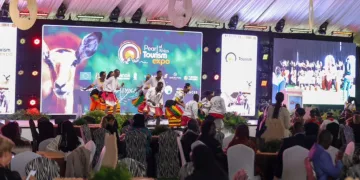
Pearl Hoareau Kakooza, Chairperson of Uganda Tourism Board of Directors while speaking during the second Annual Tourism Development Program Review Conference held at Hotel Africana in September 2024, highlighted Uganda’s unique cultural edge over neighbouring countries.
“Uganda is a multicultural country, with each culture comprising unique features, which we can use as a comparative advantage to attract more travellers,” Kakooza stated. She also pointed to the rich cultural heritage that could be better harnessed to draw tourists. “Kenya or Tanzania don’t have what we have. Uganda can promote its culture as a unique tourism product where we have a comparative advantage over many other countries. Our culture is something wonderful we can offer to visitors,” she added.
Kakooza’s vision is one where Uganda actively promotes its cultural heritage, not just for its intrinsic value but also for its economic potential. Kasubi Tombs, the burial grounds for Buganda Kings, and Namugongo, site of the Martyrs’ Shrine, are prime examples of cultural assets that can be further developed to attract international visitors. With more investment in marketing and infrastructural development, these landmarks could become key drivers of cultural tourism.
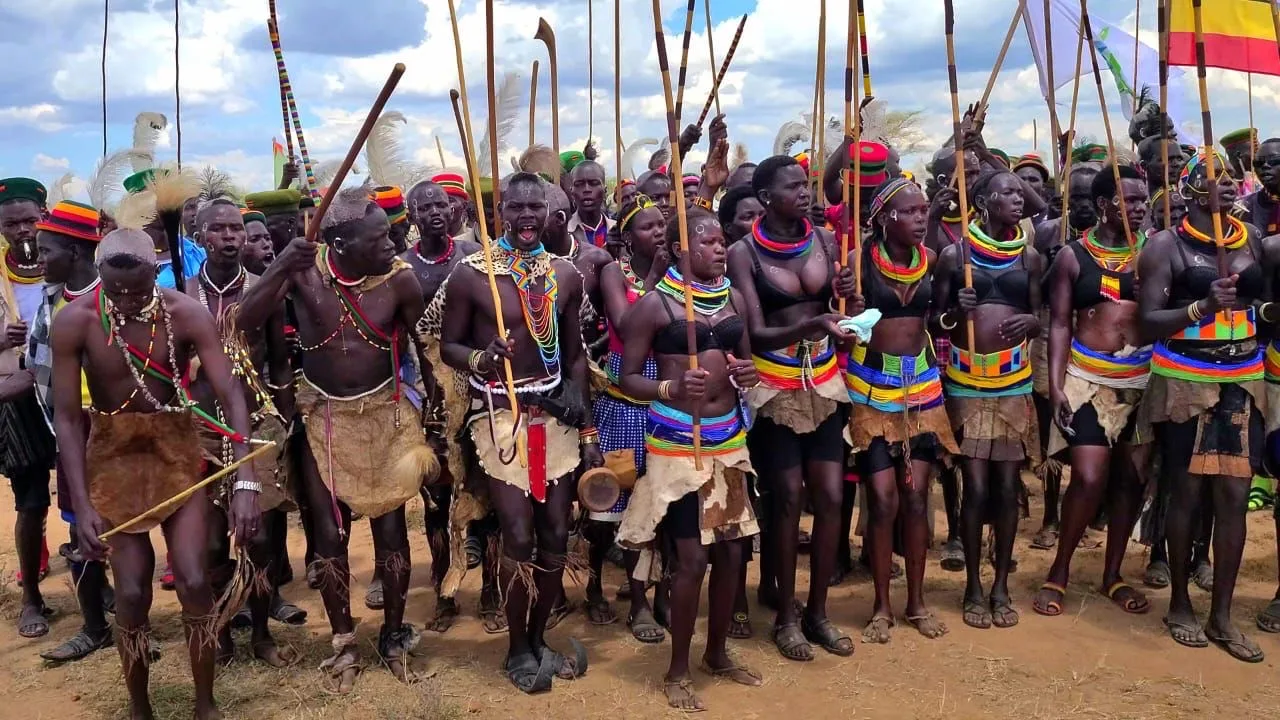
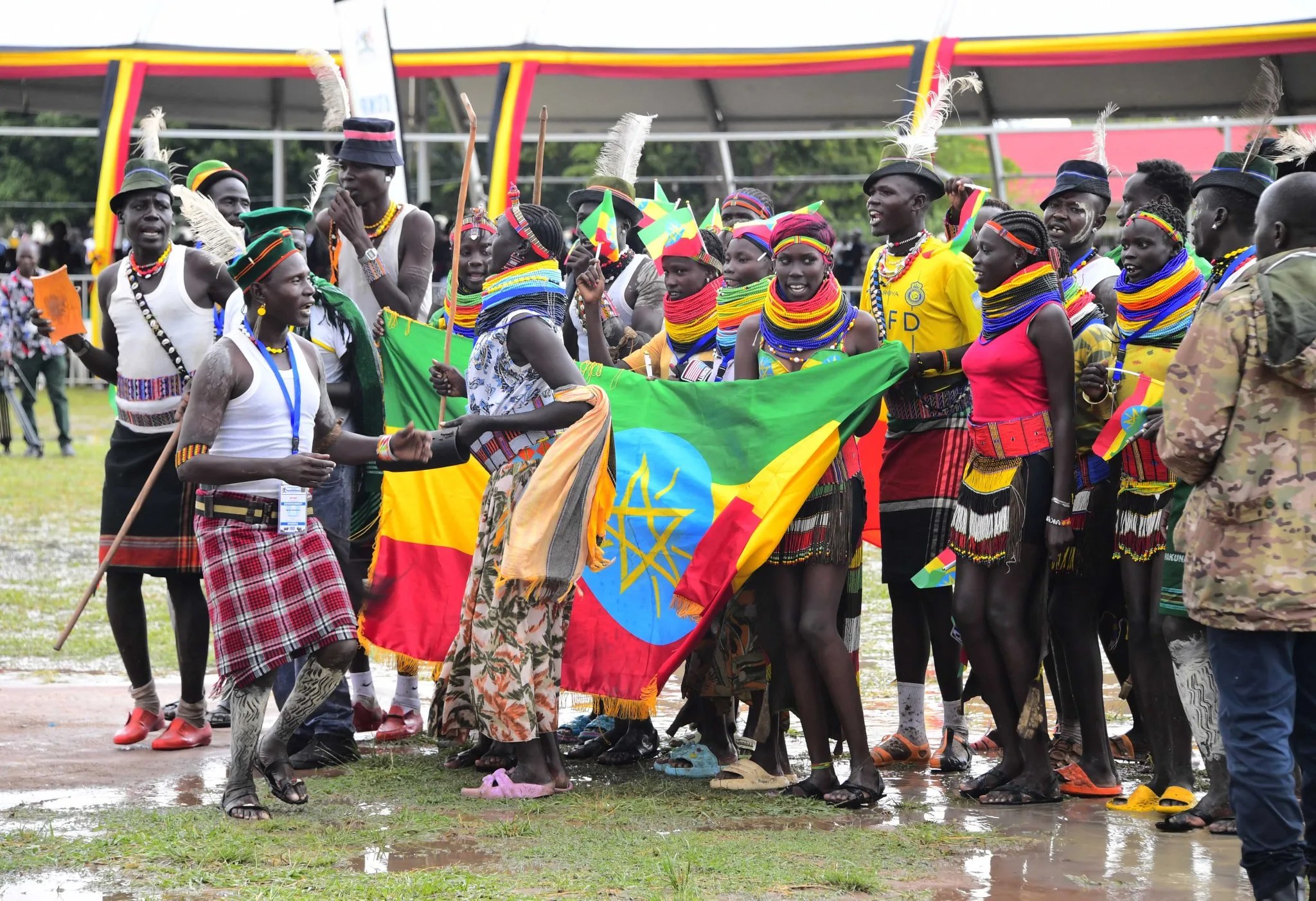
Lilly Ajarova, the Uganda Tourism Board CEO has also championed the role of cultural festivals in elevating Uganda’s profile as a cultural tourism destination. At the Ateker Festival in Soroti District in November 2024, Ajarova emphasized the importance of such events in promoting Uganda’s cultural diversity. “The Ateker Festival is not only about celebrating our past but also about using our culture to build a sustainable future. The festival provides an opportunity to showcase Uganda’s rich cultural diversity and develop cultural tourism as a basis for economic growth,” she stated. Cultural festivals like “Ateker”, “Theluji” etc offer visitors a first-hand experience of Uganda’s cultural traditions through music, dance, food, and rituals.
Cultural tourism can be an avenue for local communities to engage with tourists in a meaningful way, with direct economic benefits. Many Ugandan festivals are rooted in the country’s ethnic diversity, and they offer unique experiences that can be marketed to international tourists. Such events not only promote cultural exchange but also create jobs and generate revenue that can be reinvested in the communities.
The Economic Impact of Cultural Tourism
Cultural tourism is a growing global phenomenon. According to the World Travel & Tourism Council, cultural tourism contributed US$9.2 trillion to the global economy, and supported 319 million jobs, about 10% of total employment in 2022 alone.
Research by Bob McKercher suggests that cultural tourists tend to stay longer and spend more money than traditional tourists. Furthermore, the United Nations World Tourism Organization (UNWTO) has noted that destinations rich in cultural assets are seeing an increase in visitor numbers and economic growth. Uganda, with its array of cultural experiences, is poised to tap into this lucrative market.
The revenue from cultural tourism could also support the country’s development objectives, providing funds for vital social services such as healthcare, education, and infrastructure. By investing in cultural tourism, Uganda can diversify its tourism offerings, reducing over-reliance on wildlife tourism and creating a more resilient economy.
Challenges and the Way Forward
Despite its potential, Uganda’s cultural tourism sector faces several challenges. These include limited investment in cultural heritage conservation, inadequate infrastructure, and a lack of awareness among local communities about the economic benefits of tourism. Additionally, language barriers and insufficient promotion of Uganda’s cultural sites hinder its competitiveness in the global market.
Also Read: Munyonyo Commonwealth Resort Achieves 5-Star Rating
To address these challenges, the government must invest in cultural institutions, support local artisans, and improve infrastructure in key tourist sites. It is essential to empower local communities, especially women and youth, to actively participate in cultural tourism. Encouraging the learning of international languages such as French, Spanish, and German would also help local people engage with a broader pool of international tourists.
With concerted efforts from the government, cultural institutions, and local communities, Uganda’s rich cultural heritage could become a cornerstone of its tourism industry, bringing economic prosperity, preserving traditions, and enhancing the country’s global standing as a diverse and culturally rich destination.