FAMReports Environmental Desk
Written By: Bako Patience
The global plastic addiction is no longer just a conversation about waste management. It is a full blown environmental crisis that is seeping into our ecosystems, our farmlands, and ultimately, our food. From contaminated soils to microplastic laden crops, the intricate relationship between plastic pollution and Uganda’s food system is proving both alarming and underreported.
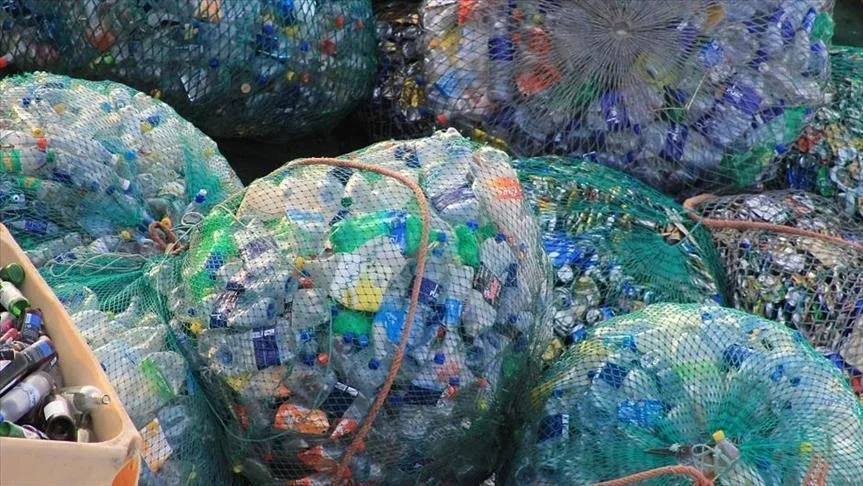
Plastic, once praised as a revolutionary invention for its durability, flexibility, and low cost, is now at the centre of a silent plague. Globally, the United Nations Environment Programme (UNEP) reports that over one million plastic bottles are purchased every minute, while nearly five trillion plastic bags are used each year. Despite efforts to reduce usage, half of these plastics are designed for single use. Of the staggering quantity generated, less than 10 percent is recycled. The rest burned, buried, or discarded contributes to an environmental backlog now threatening human survival.
And yet, among the most overlooked consequences of this pollution surge is its effect on food systems, particularly in countries with fragile waste management infrastructure like Uganda.
Plastics in the Soil: Poisoning the Source of Our Food
Plastic pollution in Uganda is not limited to urban litter or clogged drainage systems. It is slowly degrading the foundation of our agriculture. The Food and Agriculture Organization (FAO) of the United Nations has sounded alarms. Plastic residues in agricultural soils are altering soil structure, reducing fertility, and endangering biodiversity. This is particularly worrisome in rural Uganda, where most food production occurs and where plastic waste often ends up in farmlands.

Recommended: Policy Frameworks on Agriculture Fueling Ecological Breakdown, Experts Warn
These tiny particles, invisible to the naked eye, infiltrate root systems and are absorbed by crops, eventually making their way into the food chain. A peer reviewed study by Singh et al. demonstrated that plastic polymers can be taken up by edible plants such as lettuce and wheat, while chemical additives from plastics can alter their nutritional value. Consumers, often unaware, ingest these toxins through regular meals.
The Kiteezi Warning: When Waste Becomes Disaster
Kiteezi landfill, Uganda’s largest waste disposal site, is a symbol of the country’s mismanagement of plastic waste. In 2024, a massive landslide at the landfill displaced over 1,000 residents, destroyed livelihoods, and left 21 dead. Investigations revealed poor infrastructure, unmanaged plastic accumulation, and weak government oversight as key contributing factors.
According to NEMA officials, Uganda generates an estimated 600 tons of plastic waste daily, most of which remains uncollected and unregulated. Plastic bags, banned under the 2009 Finance Act, are still commonly used and sold due to poor enforcement.
Despite existing policies, including the National Environment (Waste Management) Regulations and a national strategy to combat plastic pollution spearheaded by the National Environmental Management Authority (NEMA), implementation remains weak. Corruption, lack of political will, and insufficient resources have turned Uganda’s environmental laws into paper tigers.
A Double Edged Dependency: Food Systems and Plastic Usage
The relationship between plastics and food systems is complex. On the one hand, plastics are essential for preserving food, facilitating transport, and maintaining hygiene. A 2019 FAO report estimated that 12.5 million tons of plastic were used globally in agricultural value chains that year. Another 37.3 million tons were used in food packaging alone.
In Uganda, the use of plastic mulch, irrigation pipes, seedling trays, and greenhouse covers has increased as agriculture modernizes. While these tools boost productivity, they also leave behind an environmental cost that farmers are often ill equipped to manage.
Moreover, global demand for plastic wrapped foods and beverages in supermarkets has created a consumer dependency that is hard to reverse. Even as government agencies campaign for reusable alternatives, affordability and availability of sustainable options remain limited.
Who Bears the Brunt? Marginalized Groups and Ecological Inequality
The impact of plastic pollution is not evenly distributed. Women, youth, and indigenous communities in Uganda bear the brunt of its consequences. In rural areas, women are often the primary caregivers and food providers, spending hours sourcing water or tending crops affected by soil degradation and water contamination.
Youth led initiatives have emerged to combat this challenge, though they remain underfunded and under recognized. One such initiative is my own Startup, Walton Africa Waste Company, based in Soroti city. Through grassroots mobilization and youth engagement, my enterprise recycles both plastic and food waste while educating communities about sustainable practices.
The Invisible Threat: Microplastics in Fish, Milk, and Crops
New research by Makerere University’s Department of Environmental Sciences has shown traces of microplastics in fish harvested from Lake Victoria, as well as in milk and vegetables sold in Kampala’s markets. With Uganda’s fish exports contributing significantly to its economy, this emerging crisis could also hurt international trade.
Yet, there is limited funding for scientific research into the health effects of microplastics in Uganda’s food supply. Without concrete data, policy responses remain slow, and public awareness remains dangerously low.
The Organization for Economic Cooperation and Development (OECD) and UNFCCC both project that plastic production will triple by 2060 if no intervention is made. By 2040, plastic production alone is expected to account for 19 percent of global greenhouse gas emissions, exacerbating the climate crisis and further destabilizing food systems already affected by erratic weather patterns and land degradation.
A Call for Circular Solutions and Stronger Governance
Experts and activists alike argue that the solution lies not in outright bans, but in developing circular, sustainable alternatives. This includes investing in biodegradable packaging, promoting local innovations, and scaling up community recycling hubs.
Government must enforce existing regulations while investing in research, education, and public private partnerships. Urban planning should prioritize safe waste disposal, while agricultural policies must integrate plastic free farming incentives.
Importantly, affected communities especially women and youth must be included in all policy decisions. Their lived experiences and resilience strategies are critical to building long term solutions.
From Waste to Opportunity
Uganda is at a tipping point. If the country continues on its current trajectory, the plastic crisis will not only poison its soils and waterways. It will choke its food systems, compromise health, and undermine efforts toward sustainable development.
But there is hope. Local innovations like Walton Africa Waste Company demonstrate that with the right support, Uganda can turn waste into wealth and pollution into progress.
The future of food security, environmental health, and community resilience depends on how fast and how boldly the nation chooses to act.
The Writer, Bako Patience is Environmental Activist and a Young Forest Champion