FAMReports News Desk | December 2025
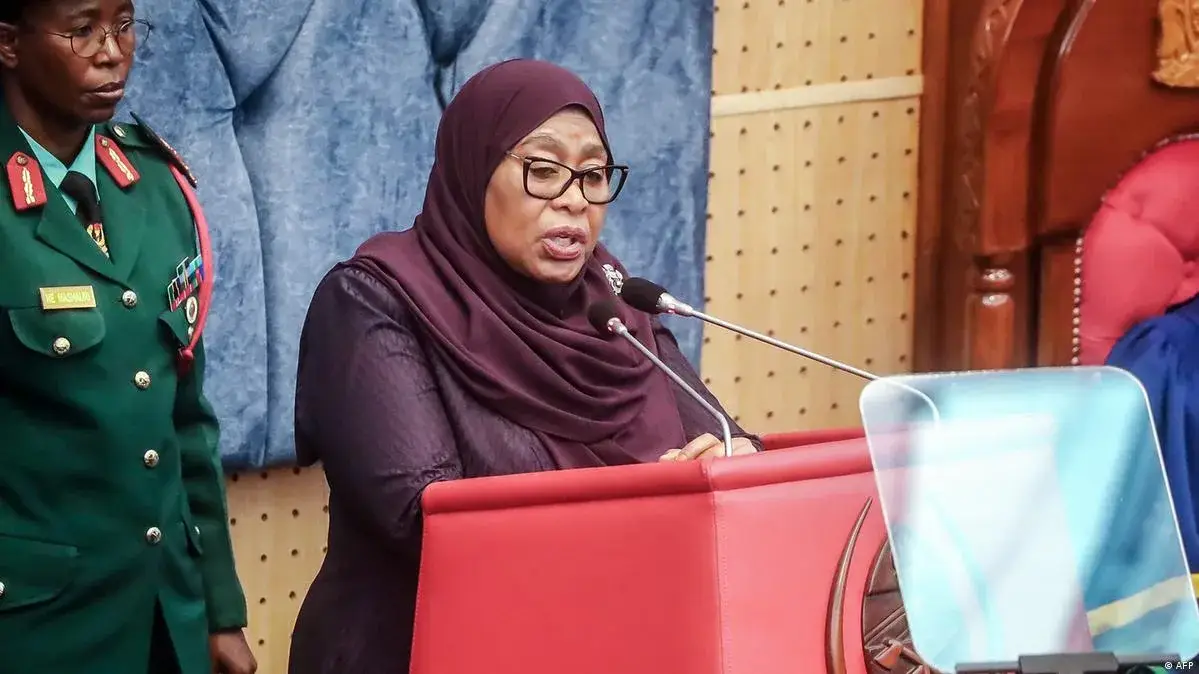
The Government of Tanzania has issued a formal public statement addressing concerns raised by development partners, diplomatic missions and regional actors following a wave of unrest and violence that shook the country after the October elections. The Friday December 5 announcement, delivered through the Ministry of Foreign Affairs and East African Cooperation, signaled an attempt by President Samia Suluhu’s administration to reassert control over the national narrative and reassure the international community of its commitment to stability, accountability and cooperation.
The statement confirmed that Tanzania had received numerous formal expressions of concern from global actors and national partners regarding the events that followed the polls. The administration acknowledged the significance of such statements, noting that international partnership remains central to strengthening democracy, safeguarding human rights and promoting socio political progress.
Tanzania Sets Up Commission of Inquiry
In what analysts view as a critical step toward easing both domestic and foreign pressure, the Tanzanian government announced the establishment of a Commission of Inquiry. The body will investigate allegations of post election violence, document the chain of events, examine the security response and provide a comprehensive report expected to guide future governance reforms.
Also Read: Peace in Public, Profit in Private: Trump’s Strategy in the Great Lakes Region
According to the statement, this move reflects the administration’s commitment to addressing grievances through institutional frameworks and lawful mechanisms. Government officials argued that an impartial inquiry remains the most credible avenue to restore public confidence and reassure partners that Tanzania is committed to justice, transparency and the rule of law.
Western Governments and International Organizations Raise Concerns
The election aftermath attracted sharp responses from several Western governments, many of whom questioned the manner in which security forces handled dissent. The United Kingdom and the United States were among the first to express reservations over the suppression of opposition voices and the scale of violence reported across multiple regions.
A broad coalition of states including Belgium, Canada, Denmark, France, Germany, Ireland, Italy, Spain, Sweden, Norway, the Netherlands, Switzerland and Poland also issued statements urging Tanzania to safeguard political freedoms and ensure accountability for any abuses. Statements were additionally received from Finland, Slovakia, Ghana, the United Nations Human Rights Council, the European Union Delegation and the Thabo Mbeki Foundation, underscoring the global magnitude of concern.
Diplomatic Corps Meeting Heightens Government Sensitivity
Tanzania’s response highlighted discomfort with the tone and timing of these statements, especially given a detailed engagement held on November 28 between the Foreign Affairs Minister and members of the Diplomatic Corps accredited to the country. The government indicated that it had already shared substantial information during the meeting and expressed concern that subsequent public statements did not reflect the spirit of cooperation it had hoped to strengthen.
Sources within diplomatic circles say the administration is increasingly wary of what it interprets as narratives that paint the government as unwilling to act on allegations of misconduct. The Commission of Inquiry announcement is therefore seen by observers as a strategic effort to demonstrate proactive leadership while managing external expectations.
Media Investigations Add Pressure
The situation gained further global attention after a media investigation led by Kenyan journalist Larry Madowo, whose reporting documented claims of security force crackdowns and presented visual evidence alleging the existence of mass graves following the October 29 polls. The investigation amplified calls for transparency and triggered fresh debate about the human rights situation in Tanzania.
Recommended: Inside the New UEDCL Probe: Politics, Performance and the Future of Uganda’s Electricity
Human rights groups say the media findings place additional responsibility on the government to allow the inquiry to operate independently and to grant unrestricted access to affected communities.
Stakeholders Urged to Respect National Processes
In its closing remarks, the government urged all stakeholders to allow national mechanisms to function without interference. It reiterated its dedication to promoting peace, development and inclusive engagement, and emphasized that constructive cooperation must be grounded in mutual respect.
As Tanzania enters a delicate period of post election reflection, the international community will be watching closely to see whether the forthcoming inquiry provides clarity, accountability and a concrete path toward political reconciliation.
Trusted Stories. Informed Voices. Impactful Reporting.
Website: www.famreports.com
Email: info@famreports.com
Social: @FAMMediaGroup