FAMReports News Desk | April 2026
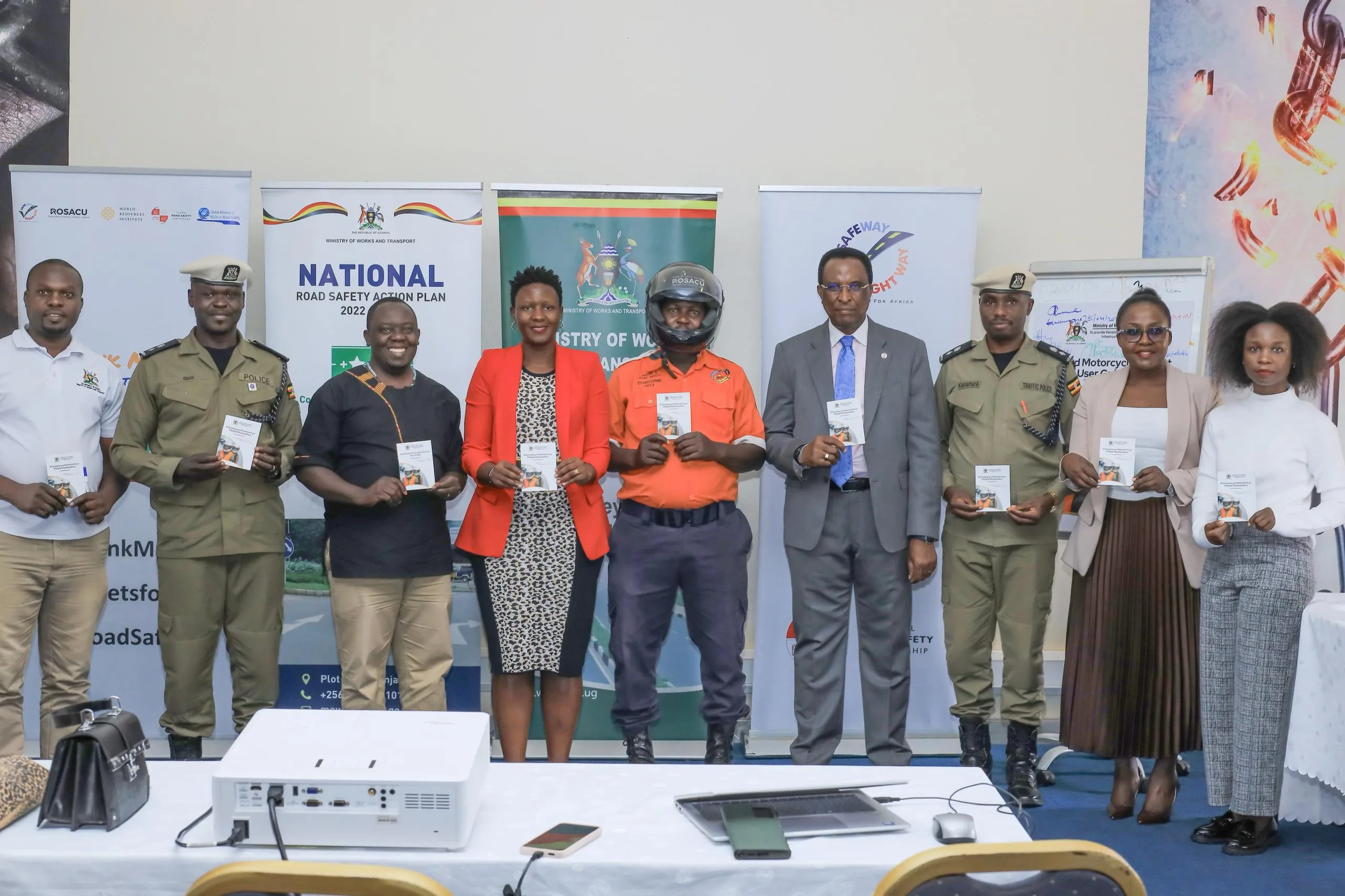
The Ministry of Works and Transport, in partnership with Safe Way Right Way, has officially launched a Helmet User Guide aimed at strengthening awareness among motorcycle riders on road safety, proper helmet usage, and compliance with national standards.
The guide is part of a broader initiative to reduce fatalities and serious injuries among boda boda riders and passengers, a group that remains among the most vulnerable road users in Uganda. The collaboration highlights the growing role of civil society organizations in complementing government efforts to improve road safety outcomes.
Addressing a Growing Safety Concern
Motorcycles are widely regarded as one of the most accessible and convenient modes of transport across Uganda. However, their increasing popularity has been matched by a troubling rise in road crashes and fatalities. Their high speed capability and lack of protective structural design make riders and passengers particularly exposed to severe injuries in the event of an accident.
Also Read: Urban Studies Foundation International Fellowships 2026 Open for Global South Scholars
Recent findings from an observational study conducted across Greater Kampala reveal concerning trends in helmet usage. A total of 6,322 boda boda riders were observed across 27 locations, with results indicating that consistent and proper helmet use remains low.
The study found that only 45.8 percent of riders were wearing helmets, while passenger usage was alarmingly low at just 0.3 percent. Although helmet ownership stood at 70 percent, only 52 percent of riders reported using helmets specifically for safety purposes.
Barriers to Helmet Usage
The findings further highlighted several barriers that continue to hinder widespread helmet use among riders. Common concerns cited include discomfort due to heat, high cost of quality helmets, and the prevalence of substandard products on the market.
These challenges have informed the development of the Helmet User Guide, which provides clear and practical information on the importance of certified helmets, how to properly wear them, and guidelines for maintenance to ensure durability and effectiveness.
Government and Stakeholder Commitment
Speaking at the launch, Winstone Katushabe, Commissioner for Transport Regulation and Safety, who represented the State Minister for Transport, emphasized the importance of partnerships in advancing road safety.
He noted that the Global Plan for the Second Decade of Action for Road Safety underscores the need for collaboration between governments, development partners, and civil society organizations in promoting awareness and behavioral change.
Katushabe described the Helmet User Guide as a tangible outcome of such partnerships in Uganda, demonstrating a unified approach to tackling road safety challenges.
Alarming Road Crash Statistics
According to the Uganda Police Annual Crime Report 2025, motorcycles accounted for 35 percent of all vehicles involved in road crashes, making them the leading category. Out of 5,383 road traffic fatalities recorded, 2,525 were motorcyclists, further underlining the urgency of targeted safety interventions.
“These figures clearly indicate that deliberate and sustained measures must be taken to ensure the safety of motorcyclists,” Katushabe said.
Strengthening Regulations and Enforcement
The Ministry of Works and Transport has also taken steps to strengthen helmet regulations. These include mandatory use of helmets that meet standards set by the Uganda National Bureau of Standards.
Authorities are also engaging with UNBS to include motorcycle helmets under the Digital Conformity Mark program, a move aimed at eliminating counterfeit and substandard helmets from the market.
Recommended: NGO Forum Launches QuAMPlus Platform to Strengthen Accountability and Trust in Uganda’s Development Sector
Katushabe urged riders to make use of the newly launched guide, noting that it is designed to be simple and accessible for all users.
“I call upon boda boda riders to utilize this easy to read guide to better understand the importance of wearing certified helmets and how to use them correctly,” he said.
Enforcement and Public Responsibility
Traffic Police spokesperson Michael Kananura reaffirmed the role of enforcement in ensuring compliance with traffic regulations. He emphasized that while law enforcement agencies will continue to uphold road safety laws, individual responsibility remains critical.
“As traffic police, we continue to enforce traffic rules, but safety is everyone’s responsibility. It is important that riders and passengers consistently use helmets,” Kananura said.
A Step Toward Safer Roads
The launch of the Helmet User Guide marks a significant step in Uganda’s ongoing efforts to reduce road traffic injuries and deaths. By combining policy enforcement, public education, and stakeholder collaboration, authorities aim to foster a culture of safety among motorcycle users.
As boda bodas continue to play a central role in Uganda’s transport system, initiatives such as this are expected to have a lasting impact in promoting safer roads and protecting lives.
Trusted Stories. Informed Voices. Impactful Reporting.
Website: www.famreports.com
Email: info@famreports.com
Social handle: @FAMMediaGroup