FAMReports News Desk | December 2025
Uganda has a wide range of minerals and rare resources that have the potential to significantly boost the national economy when harnessed strategically. From gold to rare earth elements, these resources can transform industries, drive exports, and create employment while supporting long term economic stability. Below is a detailed list of ten key minerals and rare resources with the capacity to reshape Uganda’s economic future when fully utilised.
1. Gold
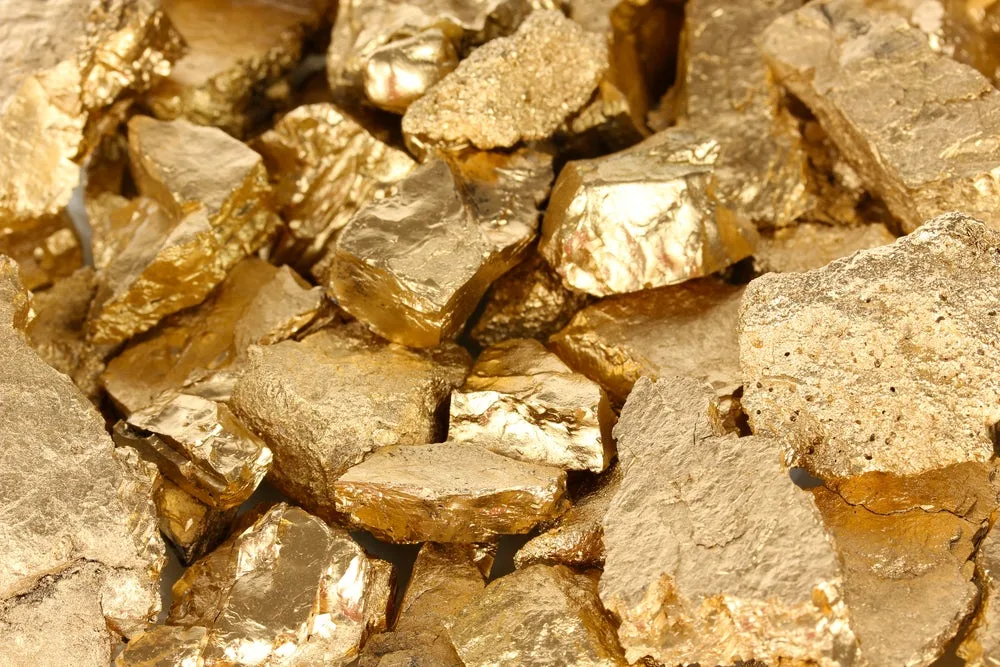
Gold remains one of Uganda’s most valuable natural assets, with deposits located in Karamoja, Busia, Mubende, Buhweju, and Kasanda. Proper regulation and investment in modern extraction technologies can increase national revenues, expand formal mining operations, reduce losses from informal activities, and strengthen Uganda’s export profile.
2. Iron Ore
Large reserves in Kabale and Kisoro position Uganda to develop its own iron and steel industry. Establishing domestic processing plants can reduce import dependence, support infrastructure projects, and supply raw materials for construction and manufacturing, enabling broader industrialisation.
Also Read: The Price of Love: How Bride Price Is Silencing a Generation from Marriage
3. Copper
Copper deposits in Kilembe and surrounding areas present opportunities for electrical, construction, and manufacturing industries. Revitalising copper mining and refining can position Uganda to tap into rising global demand for copper driven by electric systems and digital infrastructure.
4. Cobalt
Cobalt is essential for renewable energy systems and rechargeable batteries. Uganda has confirmed deposits, especially near copper rich regions. With global demand continuing to grow due to electric vehicle development, cobalt could place Uganda in a competitive regional position.
5. Graphite
Graphite deposits in Orom in Kitgum and the Albertine region are increasingly important for energy storage technologies. The mineral is a key ingredient in electric vehicle battery production, and its exploitation can open pathways for Uganda to participate in the global green technology value chain.
6. Rare Earth Elements
Rare earth minerals found in Sukulu in Tororo are vital for electronics, wind turbine magnets, electric vehicles, and advanced machinery. Developing mining and local value addition can generate significant export revenue and attract specialised foreign investment in high technology industries.
7. Niobium
Niobium is widely used in aerospace, electronics, and advanced engineering. Deposits in eastern Uganda, particularly within the Sukulu region, could support industries that rely on strong heat resistant materials. Proper extraction and refining can increase Uganda’s role in specialised global markets.
8. Lithium
Preliminary exploration suggests the presence of lithium in several parts of the country. Lithium is a central resource for global clean energy systems and battery production. With the international shift toward electric mobility, Uganda stands to benefit by developing lithium extraction and processing capabilities.
Recommended: Fully Funded Tech Degrees Available for Ugandan First Year Students Under Airtel Africa Foundation
9. Limestone and Marble
Limestone and marble deposits spread across various regions support cement manufacturing, construction, and industrial processing. Strengthening this sector can reduce construction costs, expand local factory output, and drive regional export opportunities.
10. Oil and Gas Resources
Although distinct from mineral ores, Uganda’s oil and gas reserves in the Albertine region remain among the most influential natural resources for economic growth. Beyond extraction, the real value lies in refining, petrochemical development, manufacturing, and local content participation. These activities can stimulate agriculture, transport, energy, and industrial sectors.
Uganda’s Path Forward
The full utilisation of these ten minerals requires strengthened policy enforcement, transparent licensing, modern technology, local value addition, and skilled labour development. The Mining and Minerals Act provides an improved legal foundation, but continued investment in governance and community engagement remains essential for sustainable growth.
If managed effectively, Uganda’s mineral and rare resource wealth can fuel industrialisation, expand exports, support job creation, and reposition the country as a competitive regional economic force.
Trusted Stories. Informed Voices. Impactful Reporting.
Website: www.famreports.com
Email: info@famreports.com
Social handle: @FAMMediaGroup