FAMReports News Desk
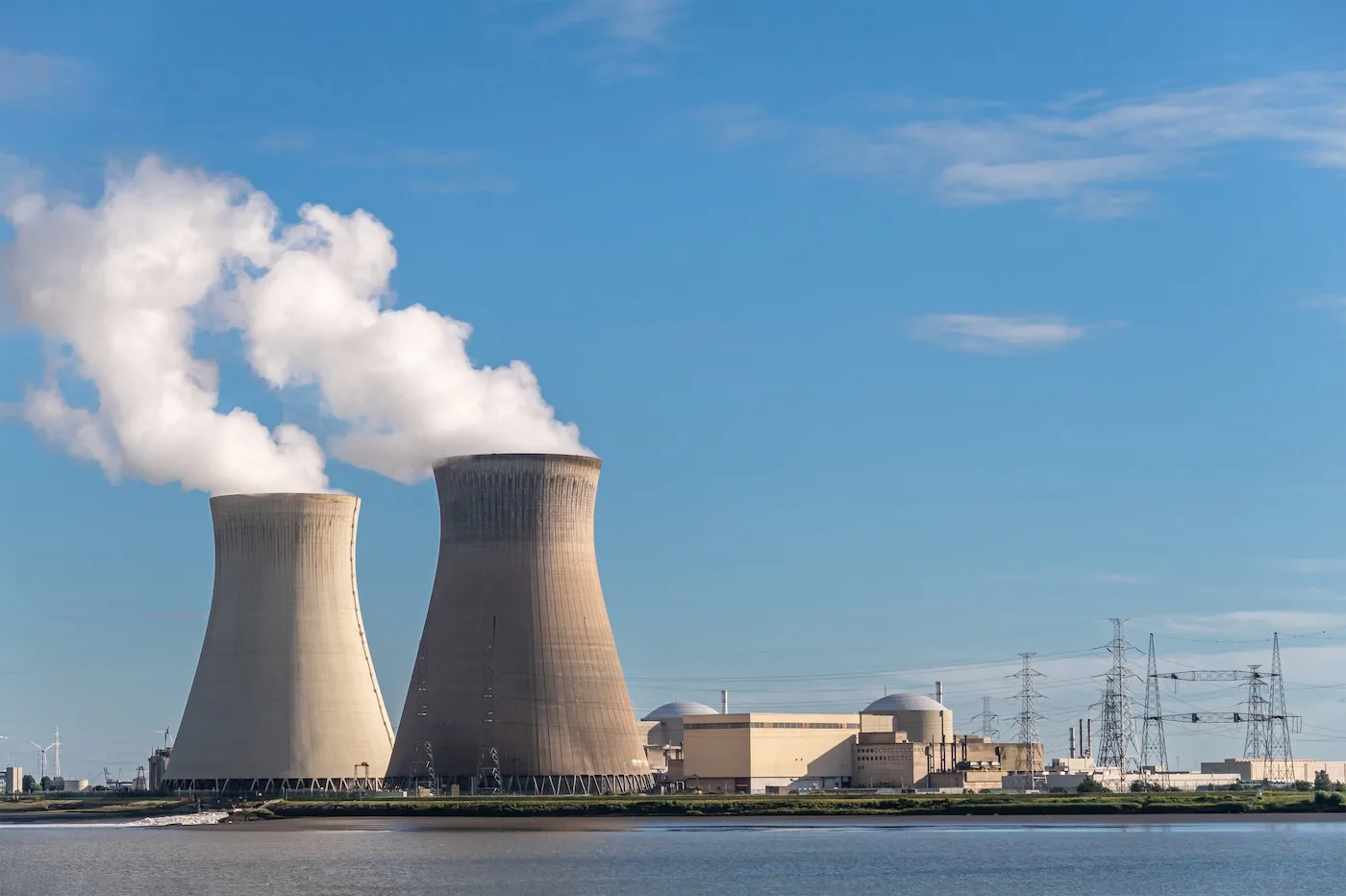
In a major policy shift, the World Bank has officially lifted its longstanding ban on financing nuclear energy, marking a new chapter in the global effort to meet surging electricity demand while transitioning to low emission energy sources.
This landmark move, confirmed through an internal email to staff by World Bank President Ajay Banga, comes as developing countries face a projected doubling of electricity demand by 2035. The Bank, which had refrained from funding nuclear projects since 1959, is now preparing to collaborate closely with the International Atomic Energy Agency, the United Nations nuclear oversight body.
“We will begin to reenter the nuclear energy space,” wrote Banga, outlining a renewed commitment to supporting the life extension of existing nuclear reactors and helping countries modernize electricity grids and related infrastructure.
A Strategic Pivot in Global Energy Policy
The decision follows strong advocacy by nuclear supporting governments, notably the Trump administration in the United States and a new administration in Germany. Berlin, once a staunch opponent of nuclear financing due to political and environmental concerns, has now reversed its position. Chancellor Friedrich Merz’s government recently informed French counterparts that it will no longer oppose EU legislation treating nuclear power on equal footing with renewables.
This shift coincides with the broader global recognition that atomic energy may be indispensable in balancing the world’s power supply as artificial intelligence technologies and population growth continue to accelerate energy consumption.
Investment Requirements and Infrastructure Priorities
According to Banga’s memo, annual investment in generation, transmission, and storage must rise from the current 280 billion dollars to 630 billion dollars to meet the anticipated demand in developing countries. Nuclear energy, despite past controversies, offers a dependable emissions free base load to complement intermittent renewable sources such as solar and wind.
“We will support a range of energy solutions including solar, wind, geothermal, hydro and natural gas as long as it does not constrain renewables,” Banga stated. “We will also work to accelerate the potential of small modular reactors so they can become a viable option for more countries over time.”
The Bank’s renewed energy strategy includes providing guarantees, equity tools, and policy support to help unlock private sector investment which is a critical driver of development in the global south.
Safety Concerns and Industry Headwinds
While this development represents a boost for the nuclear industry, it also comes with renewed scrutiny. The sector suffered significant setbacks following historic nuclear accidents such as the Fukushima disaster in Japan in 2011, Chornobyl in the former Soviet Union in 1986, and the United States Three Mile Island incident in 1979. These events continue to fuel public fear and political caution around nuclear expansion.
Nonetheless, the climate crisis has shifted perspectives. Nuclear energy is increasingly seen as a viable part of the solution capable of delivering stable power without greenhouse gas emissions. This growing support was evident at the COP28 climate summit held in Dubai in 2023, where more than 30 countries signed a pledge to triple global nuclear capacity by 2050 to meet climate targets set out in the Paris Agreement.
Multilateral Financing and Global Competition
The World Bank’s decision is also expected to influence other international lenders such as the Asian Development Bank, which could follow suit in supporting nuclear infrastructure in developing economies. Given the high costs and frequent delays associated with constructing large scale nuclear plants, access to cheaper government backed financing is critical.
Recommended: Stalled Dreams as Kasese Industrial Park Lies Idle Four Years After Launch
“This is a significant moment for global energy equity,” an anonymous industry expert told FAMReports. “Developing countries can now benefit from technologies that were once out of reach and nuclear power can serve as a stabilizing force in their energy mix.”
The United States, the World Bank’s largest shareholder, along with other pro nuclear Western countries, has long advocated for this policy revision. These nations argue that World Bank funding is essential for leveling the playing field especially as nuclear giants like Russia’s Rosatom and Chinese state owned firms continue to build plants in countries including Turkey, India, Bangladesh, and Iran.
Last year, the European Investment Bank also softened its stance on nuclear energy following a successful lobbying campaign led by France and major industry players. That move is seen as complementary to the World Bank’s shift and part of a broader realignment in global energy financing.
Gas Development Debate Continues
While the World Bank has committed to backing a range of energy sources, Banga’s memo noted that the Board of Executive Directors remains divided on whether to fund upstream natural gas development. The matter is still under discussion and no formal position has been adopted.
Recommended: Policy Frameworks on Agriculture Fueling Ecological Breakdown, Experts Warn
As the global energy transition gains momentum, the World Bank’s return to nuclear energy financing underscores a pragmatic recognition of diverse paths to achieving sustainable development.
FAMReports will continue to monitor developments in global energy policy and their impact on Africa and the broader Global South.