FAMReports News Desk | February 2026
The global fight against HIV AIDS has received a major boost after the United States approved nearly six billion dollars in new funding aimed at strengthening international HIV prevention and treatment efforts. The bipartisan funding package, approved by Congress and signed into law by President Donald Trump, signals a renewed and strategic American commitment to global health programmes while reinforcing broader economic and diplomatic interests abroad.
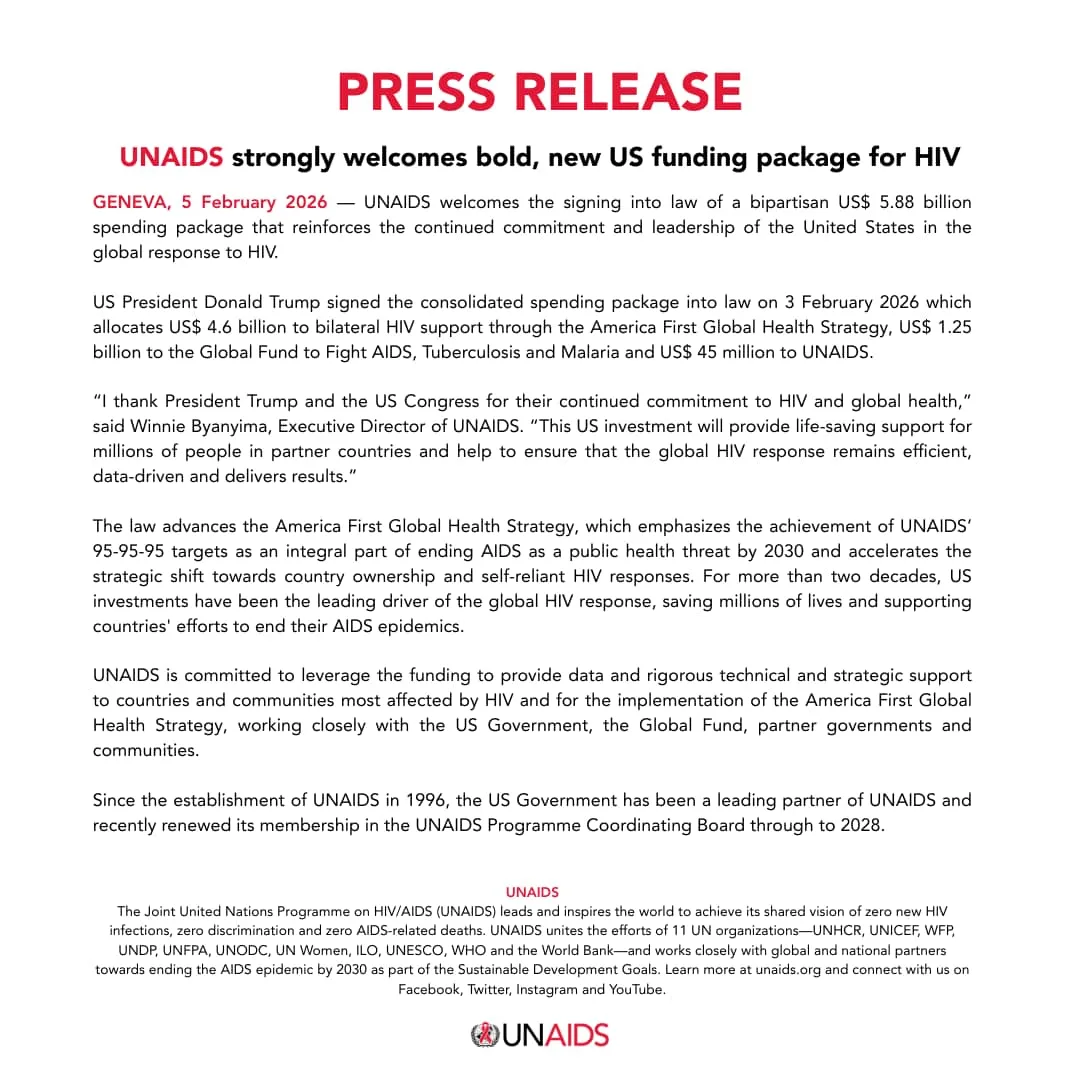
The 5.88 billion dollar international health spending package, signed into law on 3 February 2026, is designed to strengthen the global HIV response in countries most affected by the epidemic. The legislation aligns with the America First Global Health Strategy, which links health investments to long term economic stability, workforce productivity, and geopolitical partnerships in low and middle income countries.
Under the new law, approximately 4.6 billion dollars has been allocated to bilateral HIV programmes implemented directly by the United States, including the long running President’s Emergency Plan for AIDS Relief. An additional 1.25 billion dollars has been directed to the Global Fund to Fight AIDS Tuberculosis and Malaria, while 45 million dollars will go directly to UNAIDS, the Joint United Nations Programme on HIV AIDS, which coordinates the global response to the epidemic.
The funding approval underscores Washington’s continued recognition that global health security is closely tied to economic resilience and international trade stability. Senior policy analysts note that controlling HIV epidemics in high burden countries reduces long term healthcare costs, protects labour markets, and supports economic growth in partner states that trade with or host American investments.
Also Read: Growth of Real Estate in Uganda Gains Pace But Regulation Remains a Nightmare
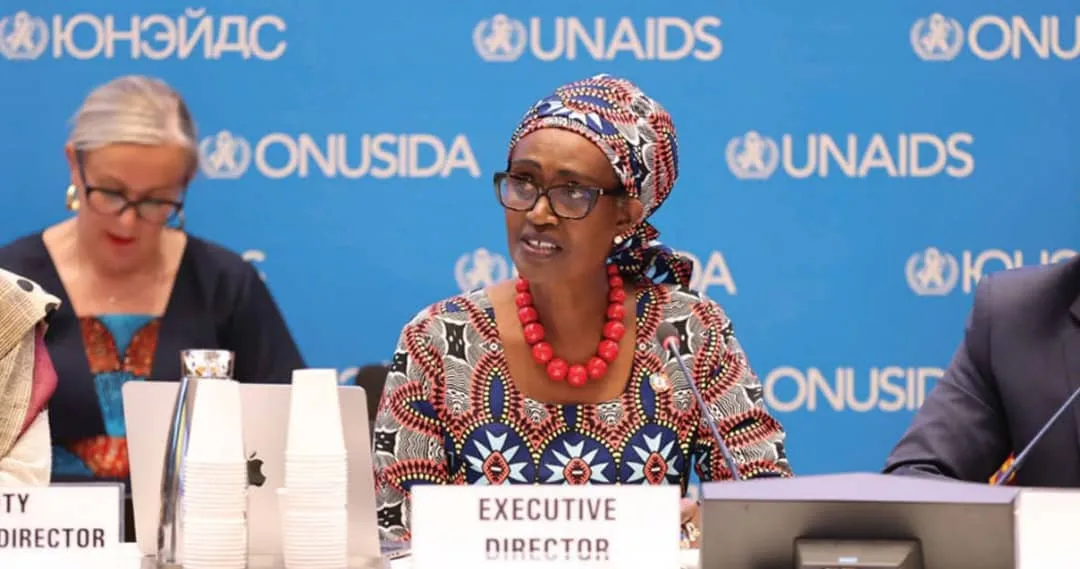
Winnie Byanyima, the Executive Director of UNAIDS, welcomed the funding decision at the agency’s headquarters in Geneva, describing it as lifesaving support for millions of people worldwide. Byanyima said the investment would help ensure that the global HIV response remains efficient, data driven, and focused on delivering measurable results.
She noted that the funding reinforces decades of partnership between the United States and countries affected by HIV and strengthens global efforts to end AIDS as a public health threat by 2030. Byanyima, a Ugandan aeronautical engineer and political economist, has consistently argued that sustained financing is essential not only for saving lives but also for supporting national development and economic productivity.
The United States remains the largest single donor to the global HIV response, largely through PEPFAR, which is credited with saving more than 25 million lives since its launch in 2003. Under the Trump administration, global health funding has increasingly been framed as both a humanitarian responsibility and a strategic investment that delivers long term economic returns for the United States and its partners.
Uganda is among the countries expected to benefit significantly from the renewed funding. In late 2025, Uganda signed a five year health partnership agreement with the United States under the America First Global Health Strategy, potentially channeling up to 1.7 billion dollars into Uganda’s health sector. The partnership prioritises HIV AIDS, tuberculosis, malaria, maternal and child health, and broader health system strengthening, while also committing the Ugandan government to increase domestic health financing.
Recommended: Saif al-Islam Gaddafi Killed in Zintan: The Rise, Fall and Unfinished Political Ambition of Libya’s Most Controversial Heir
Before the approval of the 2026 funding package, disruptions in overseas aid had already begun to threaten HIV services in Uganda and other developing countries, particularly following reductions in USAID funding. UNAIDS assessments conducted in 2025 warned that declining external support was affecting the distribution of antiretroviral drugs and straining healthcare facilities providing HIV care.
Health experts cautioned that without renewed funding, essential services such as early infant diagnosis and prevention of mother to child transmission could face serious setbacks, especially in countries that have not yet achieved full health system self-reliance.
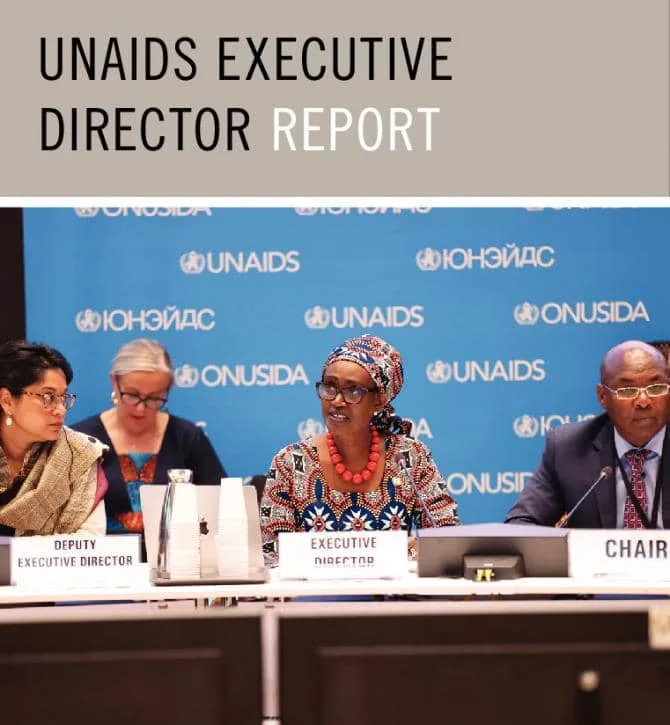
With the new funding secured, UNAIDS is pushing forward with its ambitious 95 95 95 targets, aiming for 95 percent of people living with HIV to know their status, 95 percent of those diagnosed to receive treatment, and 95 percent of those on treatment to achieve viral suppression. Achieving these targets is seen as critical to controlling the epidemic in high burden regions such as East and Southern Africa.
Analysts say the latest funding decision reflects a broader Trump administration approach that views global health spending as a tool for advancing both humanitarian goals and long term economic and strategic interests. By stabilising health systems and protecting workforces in partner countries, the United States strengthens global markets while maintaining its influence in international development.
Trusted Stories. Informed Voices. Impactful Reporting.
Website: www.famreports.com
Email: info@famreports.com
Social handle: @FAMMediaGroup