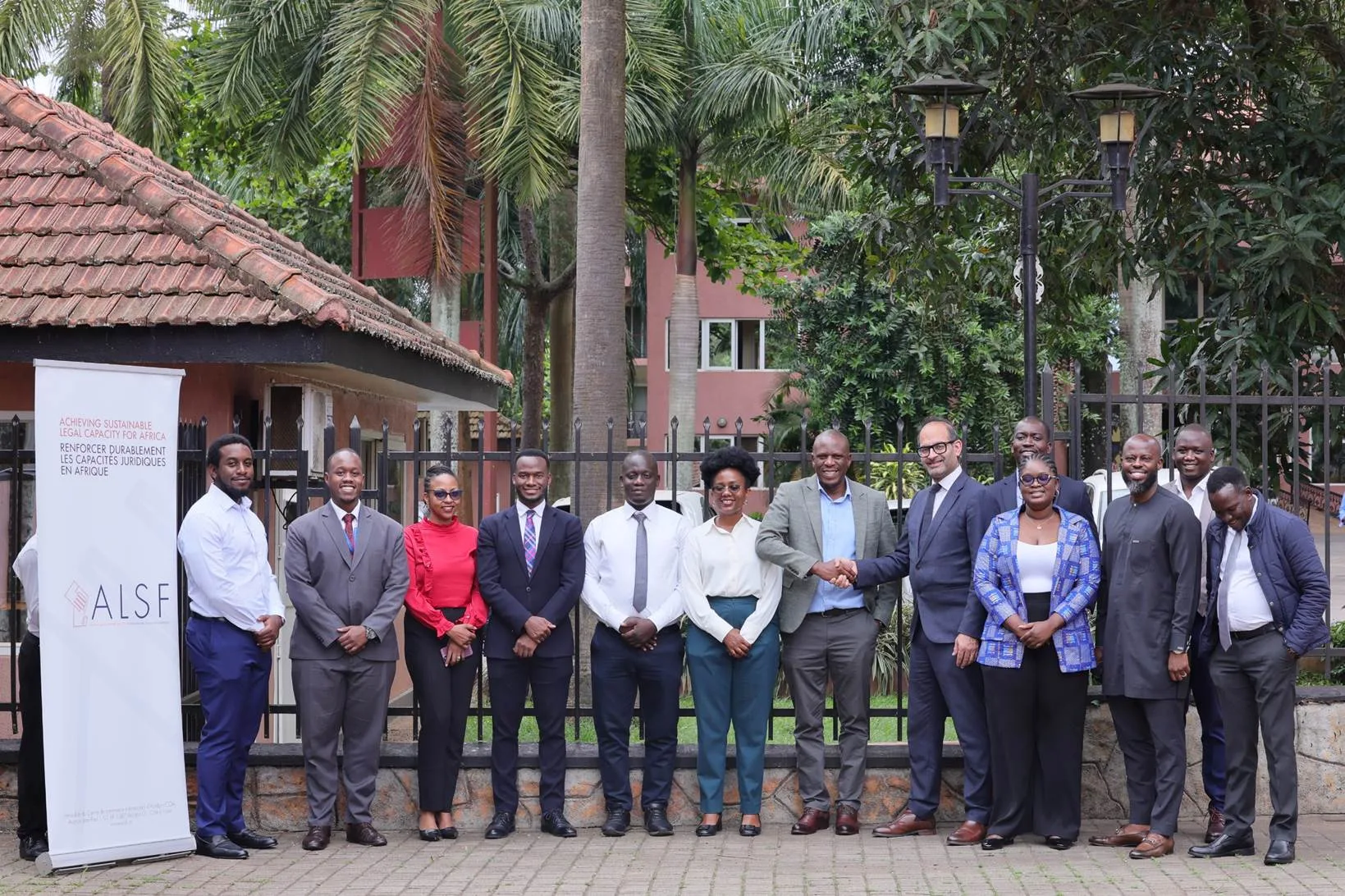
In a strategic move to bolster the country’s ability to effectively manage its rapidly growing extractive industries, the Uganda Revenue Authority (URA) staff have completed a specialized training program focused on oil and gas legislation and management.
The training, which took place at the Imperial Golf View in Entebbe, is a key part of efforts to strengthen Uganda’s governance over its oil, gas, and mining sectors.
The initiative, which received vital support from the Ministry of Finance, Planning, and Economic Development (MoFPED), was made possible by funding from the African Legal Support Facility (ALSF). The Ministry identified URA as the lead agency to implement the project, aimed at enhancing the government’s ability to mobilize revenue from the country’s extractive industries.
This capacity-building initiative involved URA staff, as well as officials from various ministries, learning to navigate the complexities surrounding fiscal regimes and international arbitration in the extractive industries. The training covered critical aspects of oil and gas legislation, providing the officials with the tools and knowledge needed to manage the sector effectively as Uganda prepares for an expansion of oil production.
Mohamed Stevens, Legal Counsel at ALSF, emphasized the importance of the training, particularly as Uganda is still in the early stages of its oil production. “It is crucial that Uganda understands the obligations of all parties involved before revenues start flowing from the oil sector,” Stevens said. “This will allow the government to evaluate whether revenues from oil and gas companies are compliant with the nation’s laws.”
In addition to focusing on oil and gas, the training also addressed recent updates in Uganda’s mining legislation, particularly the Mining Act, with a focus on artisanal mining activities. Stevens urged officials to think proactively about the country’s resource management, stating, “This is an opportunity to think and act before the oil is extracted.” He stressed the need for effective regulation and oversight to ensure the country maximizes the benefits of its natural resources while managing them sustainably.
One of the key aspects of the training was ensuring that the relevant ministries and agencies understand how to manage and invest the wealth generated from the oil, gas, and mining sectors in a sustainable manner.
Stevens pointed out the finite nature of these resources, stressing the importance of preparing for their future depletion. “These resources are finite, and we must prepare now for their future depletion,” he said. “This will help Uganda ensure that revenues are maximized and invested in sustainable projects that benefit future generations.”
Also Read: Uganda’s Oil and Gas Industry: 2024 Achievements
The training also served to equip Uganda’s officials with the necessary legal and technical expertise to ensure that the country’s legal framework evolves in tandem with the rapid growth of the oil and gas sector. As Uganda continues to explore and develop its vast natural resource potential, this initiative marks a significant step in establishing a strong foundation for resource management, revenue maximization, and legal oversight.
With this training program, Uganda is setting itself on a path toward ensuring that the wealth generated from its extractive sectors will be managed efficiently, transparently, and sustainably, safeguarding the long-term interests of the nation and its people.