By FAMReports Editorial Team
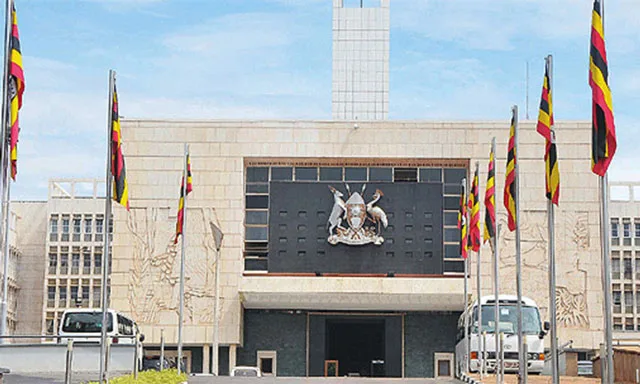
A wave of public concern has erupted over the persistent absenteeism of Members of Parliament (MPs) during plenary sittings, with citizens, legal experts, and civil society actors calling for accountability, reform, and performance-based remuneration for legislators.
The issue, which has gradually escalated in recent months, has triggered widespread dissatisfaction among Ugandans who argue that MPs are increasingly neglecting their legislative duties while enjoying hefty allowances funded by the taxpayer.
According to parliamentary procedure, at least one-third of MPs must be present for regular business to proceed, while a two-thirds majority is required for passing legislation. However, FAMReports has learned that the consistent failure to meet quorum has stalled key legislative processes. In notable instances, crucial laws such as the Anti-Homosexuality Bill and the Narcotic Drugs and Psychotropic Substances Control Bill have been challenged in court due to questions surrounding the legality of their passage without proper quorum.
Despite being mandated to represent their constituencies and legislate on behalf of the people, several MPs are reportedly absent from both the House and their constituencies. While some observers attribute this trend to early political maneuvering ahead of the 2026 general elections, others argue that the absenteeism signals a deeper disregard for public service and civic duty.
Recent data indicates that absenteeism in Parliament has cost the Ugandan taxpayer more than UGX 159 billion in just nine months—a figure that has sparked outrage. Legal scholars and governance watchdogs have proposed the implementation of performance-based pay models for legislators, suggesting that remuneration be tied to attendance, contribution to debates, committee work, and overall participation in legislative duties.
“The current system is rewarding non-performance. It’s time we shift from blanket allowances to a system that values accountability and effectiveness,” said Daniel Musoke, a constitutional lawyer and governance advocate. “Public servants, especially MPs, should not treat their positions as a business venture, but as a service to the people.”
FAMReports’ investigations reveal that while some MPs cite medical issues for their prolonged absence, others are reportedly engaged in personal pursuits—including managing private businesses, attending burials and fundraising events, tending to farms, or traveling abroad—often under the guise of official assignments.
Additionally, a pattern has emerged in which MPs who have fallen out with their political parties, or those not seeking re-election, gradually withdraw from active participation in both parliamentary proceedings and constituency engagements.
Public calls for reform have also reignited the long-standing debate on the size of Parliament, which now exceeds 500 members. Critics argue that this ballooning number is economically unsustainable for a developing country already grappling with budgetary constraints. Many political analysts assert that a leaner Parliament would improve efficiency, reduce redundancy, and lessen the burden on public resources.
“Having over 500 MPs in a nation struggling to fund essential services is illogical,” commented Sarah Akena, a policy analyst at the Uganda Governance Forum. “We need to revisit the structure and size of Parliament and align it with our national priorities and fiscal realities.”
Despite near-unanimous agreement among stakeholders that Parliament is oversized, no concrete steps have been taken to initiate a bill to downsize it. Observers suggest that fear of political backlash and the potential loss of seats have made legislators reluctant to pursue the matter.
Meanwhile, constituents continue to demand that their elected representatives be present both in the House and in their communities. Many Ugandans argue that MPs should dedicate weekends and recess periods to engaging with their constituencies, addressing local concerns, and reporting back on legislative developments.
“This trend of absenteeism is not just a failure of duty—it is an affront to democracy,” said Rose Nakitto, a community mobilizer from Mukono District. “We need leaders who are present, accountable, and responsive to the needs of the people.”
The public is also questioning whether Parliament itself can self-regulate, particularly when reforms such as performance-based pay could directly affect MPs’ benefits. Many are skeptical that legislators will vote in favor of laws that may “hurt their own pockets.”
As the debate continues, the integrity and functionality of Uganda’s Parliament hang in the balance. Will lawmakers rise above self-interest and embrace reforms to restore public trust, or will absenteeism remain a tolerated symptom of deeper structural problems?
For now, Ugandans wait—and watch.