FAMReports News Desk | September 27, 2025
Jinja City, Uganda – Uganda took a monumental step toward industrialisation and innovation on Friday, September 26, 2025, as President Yoweri Kaguta Museveni officially commissioned the Kiira Vehicle Plant in Jinja. The facility, spread across 100 acres, is now the largest and most advanced bus manufacturing plant on the African continent, representing a transformative shift in the nation’s economic and industrial landscape.
The plant is a product of collaboration between the National Enterprise Corporation (NEC) through its construction subsidiary, Makerere University innovators, and the Government of Uganda. Its commissioning highlights the country’s long-term vision to reduce dependence on imports, stimulate youth employment, and lead Africa into an era of green mobility.
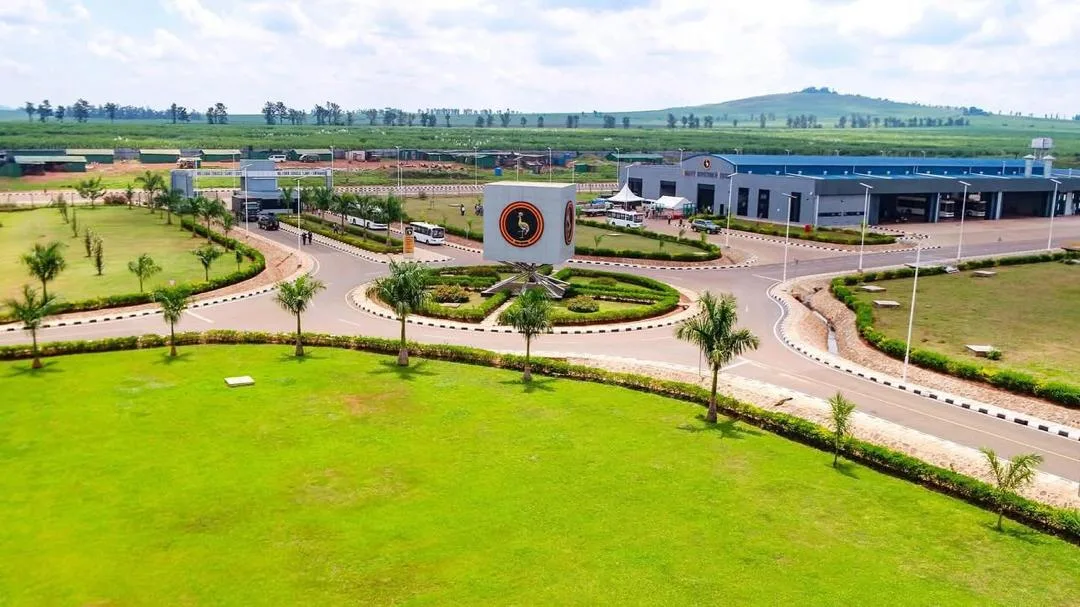
A Symbol of Green Innovation
At the launch ceremony, President Museveni hailed the plant as a milestone in Uganda’s development journey. He emphasised that the future of the global automotive industry is electric and hybrid, making Uganda’s investment in this field timely and visionary.
“The demand for electric vehicles highlights our need for lithium, which Uganda is fortunate to possess in large deposits in Ntungamo and other regions,” Museveni remarked. He also pointed to the country’s rich iron ore reserves in Kabale and Butogota, which the government plans to process into high-quality steel to reduce annual import costs exceeding 900 million US dollars.
The president projected that Uganda’s economy, currently growing at 7 percent, will surpass 10 percent once oil production begins. He described the new plant as proof that Ugandans have the potential to create world-class solutions, declaring it a bold step toward self-reliance.
From a Student Dream to a National Enterprise
The story of Kiira Motors is as inspiring as it is ambitious. In 2007, a group of Makerere University engineering students designed the Vision 200, a two-seater hybrid car that captured national attention. Four years later, they made history by producing the Kiira EV, Africa’s first electric car, showcasing Uganda’s talent and technical capability.
Also Read: Museveni Promises Graduate Start-up Fund to Tackle Youth Joblessness
What started as a student research project soon grew into a national vision. To sustain momentum, the Government of Uganda established Kiira Motors Corporation (KMC), a state enterprise owned 96 percent by the government and 4 percent by Makerere University. The mandate of KMC has since been clear: build a competitive automotive industry, create jobs, and inspire a culture of innovation.
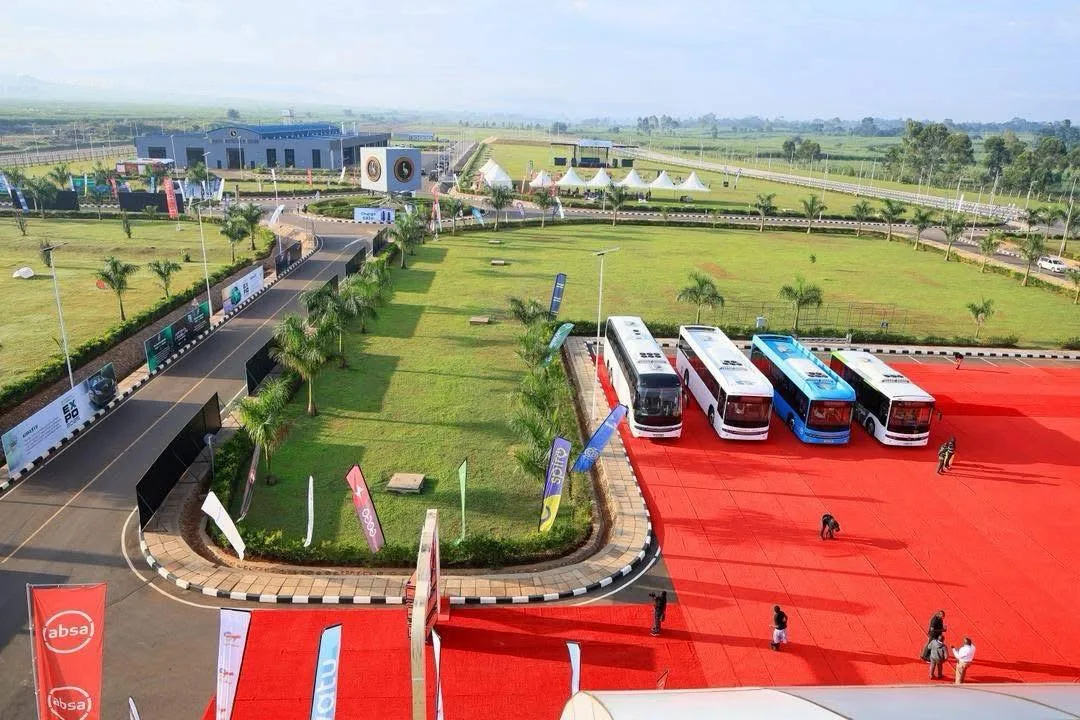
In 2014, KMC introduced the Kiira EVS, Africa’s first hybrid electric car, followed in 2016 by the Kayoola Solar Bus, the continent’s first solar-powered electric bus. Today, the corporation’s flagship products include the Kayoola EVS, a fully electric city bus capable of traveling 300 kilometres on a single charge, and the Kayoola Coach, a luxury highway bus available in both electric and diesel versions.
A Plant with Continental Impact
The newly commissioned Kiira Vehicle Plant has the capacity to produce 2,500 buses annually, with expansion plans targeting 5,000 units in the near future. This scale of production will cut Uganda’s vehicle import bill, open opportunities for local suppliers, and create thousands of jobs across the automotive value chain.
Recommended: How Uganda Fell Behind as Singapore Rose to Global Powerhouse Status
For Africa, the plant represents more than a national achievement. It positions Uganda as a continental leader in electric and hybrid mobility at a time when global economies are accelerating toward clean energy and sustainable transport solutions.

Youth and Job Creation at the Core
With Uganda’s population dominated by young people, the plant provides more than just vehicles. It is a platform for skilling, employment, and innovation. Engineers, designers, technicians, and researchers will find opportunities at the plant, while universities such as Makerere continue to bridge academia with industry.
This deliberate link between research and production ensures that Uganda’s youth are not just passive beneficiaries but active drivers of industrialisation. Museveni, in his address, praised this connection, saying it ensures continuity of innovation and prepares Uganda’s workforce to compete at a global level.
A Ride into the Future
A defining moment of the commissioning was Museveni’s ride on the Kayoola EV bus, a sleek demonstration of Uganda’s capacity to design and build sustainable mobility solutions. It served as a reminder of how far the country has come since the days of the Vision 200 prototype and how the dream of young innovators has blossomed into a facility of continental significance.

The commissioning of the Kiira Vehicle Plant marks a historic chapter in Uganda’s pursuit of industrialisation, sustainability, and economic transformation. What began as a daring student project has matured into Africa’s most advanced bus manufacturing facility, proving that innovation rooted in local talent can redefine national destiny.
For Uganda’s young people, the plant is not just about cars and buses. It is about opportunity, pride, and the chance to shape a future where African ingenuity drives the global economy forward.
FAMReports News Desk
Trusted Stories. Informed Voices. Impactful Reporting.
🌍 www.famreports.com | ✉ info@famreports.com
@FAMMediaGroup