FAMReports News Desk | January 2026
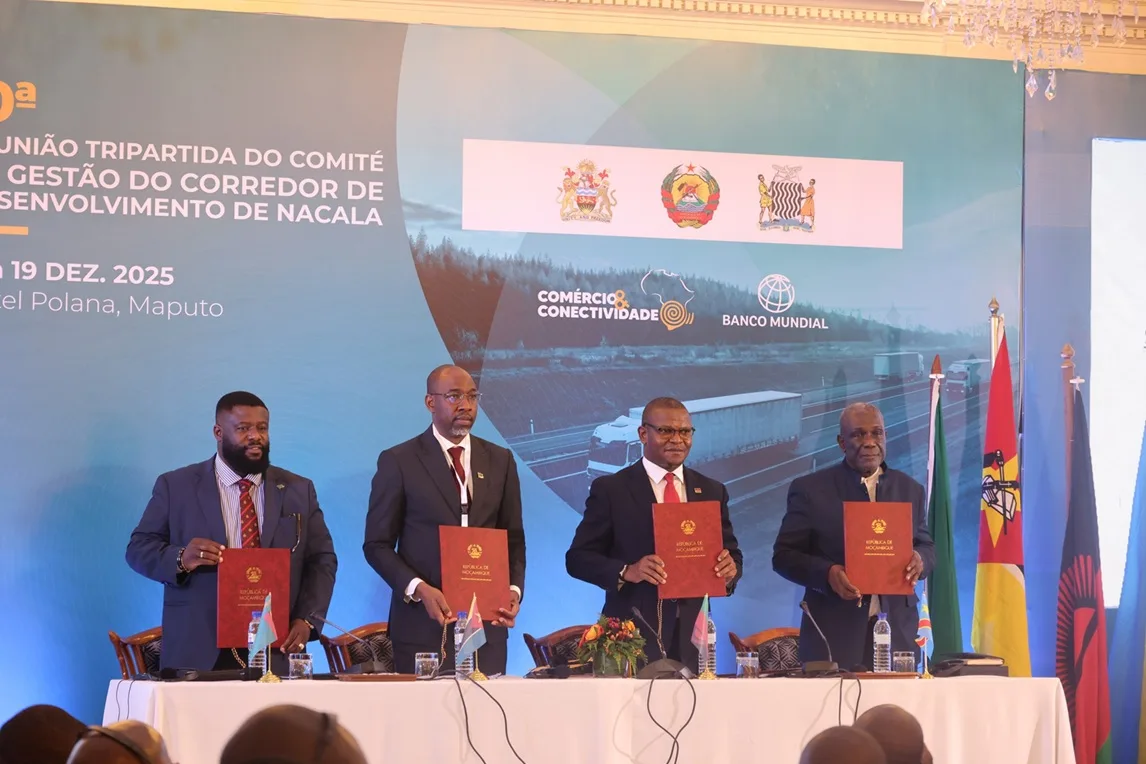
Mozambique, Malawi, Zambia and the Democratic Republic of Congo have signed a ministerial declaration committing to the extension of the Nacala Railway Corridor, a major infrastructure initiative aimed at strengthening regional trade and improving access to global markets.
The proposed extension would create an integrated rail network of approximately two thousand four hundred kilometres, running from Zambia’s eastern city of Chipata through Malawi and Mozambique, with a further extension into the Democratic Republic of Congo. If implemented, the corridor would provide landlocked economies with direct rail access to the Indian Ocean through Mozambique’s Port of Nacala.
The Port of Nacala is widely regarded as one of the deepest natural ports in East and Southern Africa. Its depth and modern infrastructure allow it to handle large volumes of bulk and container cargo, making it a strategic gateway for mineral exports, agricultural produce and manufactured goods from the region.
Also Read: Green Economy Women Founders Invited to Apply for WE4A Programme
Ministers responsible for transport and infrastructure from the four countries agreed to jointly mobilise financing and attract strategic partners to support the project. The declaration outlines a shared commitment to harmonise policies, technical standards and regulatory frameworks to ensure seamless cross border rail operations.
According to officials, an implementation framework detailing governance structures, financing models and phased construction plans is expected to be finalised by early 2026.
The framework will also define the roles of public and private sector partners involved in the development and operation of the corridor.
Recommended: Bank of Uganda Moves to Buy Domestic Gold, Strengthening Reserves
The extension of the Nacala Railway Corridor is expected to significantly reduce transportation costs, shorten transit times and enhance the competitiveness of exports from landlocked countries such as Zambia and the Democratic Republic of Congo. It is also anticipated to stimulate industrial growth, improve food security and strengthen regional value chains.
Regional integration experts note that improved rail connectivity remains critical to Africa’s trade ambitions, particularly under the African Continental Free Trade Area. Efficient transport corridors such as Nacala are seen as essential for unlocking intra African trade and attracting long term investment.
Once completed, the expanded corridor is expected to play a transformative role in linking Southern and Central Africa to global markets while supporting economic diversification and sustainable development across the region.
Trusted Stories. Informed Voices. Impactful Reporting.
Website: www.famreports.com
Email: info@famreports.com
Social handle: @FAMMediaGroup