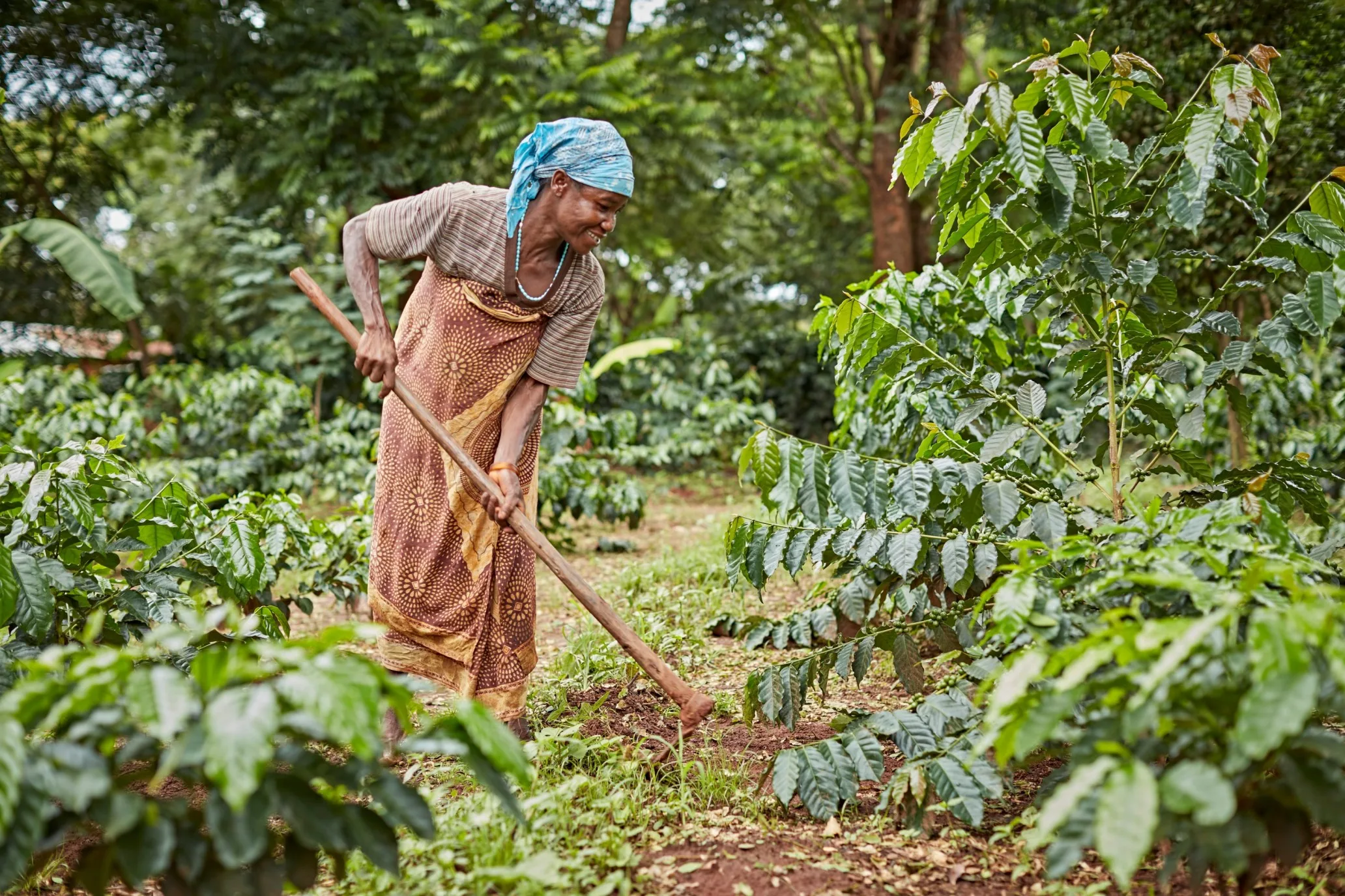
In partnership with Agricultural Business Initiative (aBi) Finance and other development actors, FINCA Uganda has introduced a flexible and inclusive agricultural financing model that has reached more than 10,000 farmers across Uganda. By removing collateral as a requirement for credit, FINCA has opened doors that were previously closed to rural farmers struggling to expand their operations or adopt modern farming practices.
Agriculture remains the heartbeat of Uganda’s economy, providing livelihoods for more than 64% of the population and contributing half of the country’s export revenues. Yet, for decades, smallholder farmers—the backbone of this sector—have been stifled by limited access to affordable credit, largely due to rigid lending systems that require collateral most rural dwellers cannot provide.
Take, for instance, the story of Tadeo Kasumba, a coffee farmer and entrepreneur from Mityana. When he first approached FINCA eight years ago, Kasumba managed a modest three-acre coffee plantation. Today, his enterprise has blossomed into a 15-acre estate, employing eight workers and supporting multiple ventures, including a wholesale shop and private residence. With access to up to UGX 35 million in credit, he has not only grown his farm but also transformed his family’s standard of living.
“FINCA believed in me when no one else would,” Kasumba says. “Their support changed my life.”
According to Morice Kizito, FINCA Uganda’s Manager for Agricultural Lending, this transformation is part of a broader strategic approach that supports activities across the agricultural value chain. “Our agricultural loans are not just about planting seeds; they’re about enabling farmers to engage in livestock rearing, aquaculture, poultry production, and agro-processing,” he notes. “The bulk of our lending targets the production stage, which is where most of our clients are active.”
Since launching its agricultural finance portfolio in 2011, FINCA Uganda has disbursed over UGX 100 billion to more than 50,000 smallholder farmers. The impact has been tangible—expanded farms, diversified incomes, new job opportunities, and improved rural infrastructure.
But FINCA’s commitment goes beyond financial empowerment. In collaboration with the Uganda Energy Credit Capitalization Company (UECCC), the institution is helping farmers embrace climate-smart solutions. These include solar-powered irrigation systems, grain milling machinery, and cold storage units—technologies that are not only eco-friendly but also boost productivity and resilience in the face of climate change.
“Our goal is to build a sustainable future,” Morice explains. “We don’t just lend money—we empower farmers to adopt modern and resilient agricultural practices that can withstand the challenges of a changing climate.”
To manage the risks inherent in agricultural lending—such as erratic weather, pest outbreaks, and fluctuating crop prices—FINCA has introduced adaptive lending structures. These include seasonal repayment schedules, consideration of household cash flows, and promotion of mixed farming systems to cushion farmers against market shocks.
Also Read: Uganda Unveils Regional Game-Changer with NEC-STREIT Armoured Vehicle Showroom in Wakiso
Looking to the future, FINCA is planning to roll out agricultural insurance products and explore regenerative agriculture, including drought-tolerant crop varieties. The institution also intends to scale up its climate-smart portfolio and deploy a network of farmer agents to extend services to even the most remote areas of Uganda.
“FINCA is not just a lender—we’re a partner in rural transformation,” Morice says. “We envision a Uganda where farmers are no longer surviving season to season but thriving, growing, and leading community development.”
As Uganda continues to prioritize agriculture as a pillar for inclusive growth, FINCA Uganda’s innovative approach is proving to be a catalyst for change—empowering farmers, enhancing resilience, and fueling rural prosperity.