The East African Crude Oil Pipeline (EACOP) has unveiled a comprehensive campaign aimed at preventing Gender-Based Violence and Harassment (GBVH) while addressing Sexual and Reproductive Health and Rights (SRHR) risks in communities along the pipeline route.
The initiative underscores EACOP’s commitment to safeguarding the wellbeing of people living in project-affected areas.
The campaign is being implemented in partnership with Health Promotion International (HPI), following an extensive study on GBV and SRHR across five districts in Uganda. The findings revealed that GBV remains a significant barrier to community progress, primarily fueled by poverty, entrenched cultural norms, and practices such as polygamy. Women and children were identified as the most vulnerable groups.
Building on these insights, EACOP’s campaign seeks to improve knowledge and attitudes, foster safe and inclusive workplaces and communities, strengthen reporting and referral systems, and empower local leaders and peer champions to drive sustainable behavioral change.
Speaking during the launch, EACOP’s Social Performance Manager, Rosie Birungi, highlighted the company’s dedication to creating safer communities.
“This campaign is a strategic intervention to build safe, informed, and empowered workplaces and communities. Through strong partnerships and robust stakeholder engagement, we are catalyzing positive social change and ensuring that all project-affected persons—regardless of gender or status—are protected and benefit equitably from the project,” Birungi stated.
ALSO READ: Kigali Showcases Futuristic Passenger Drone Ahead of Africa Aviation Summit
The campaign directly aligns with international and national development frameworks, contributing to the United Nations Sustainable Development Goals—specifically SDG 5 on Gender Equality and SDG 3 on Good Health and Well-being—while supporting Uganda’s National Development Plan III (NDPIII) 2020–2025, which prioritizes health, safety, and human capital development.
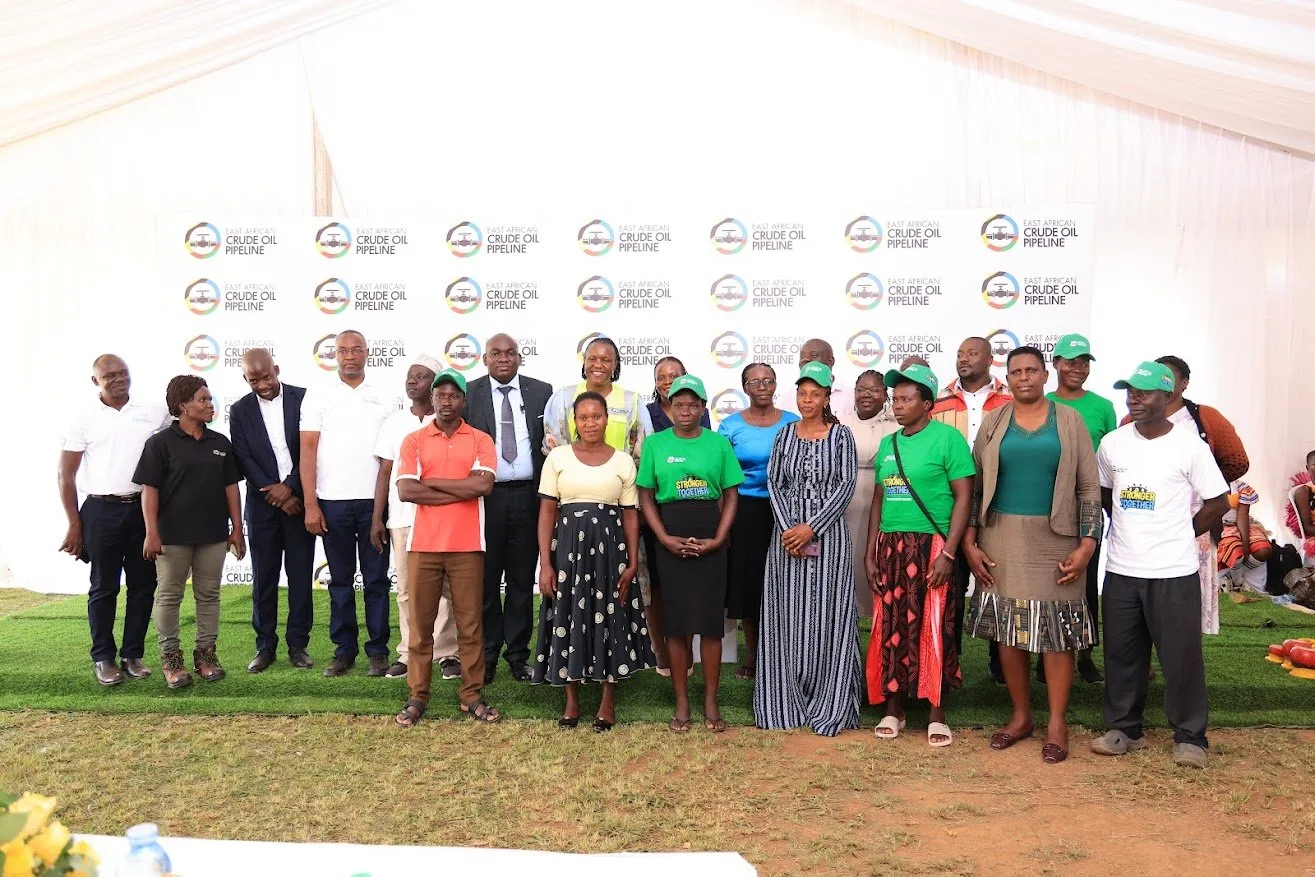
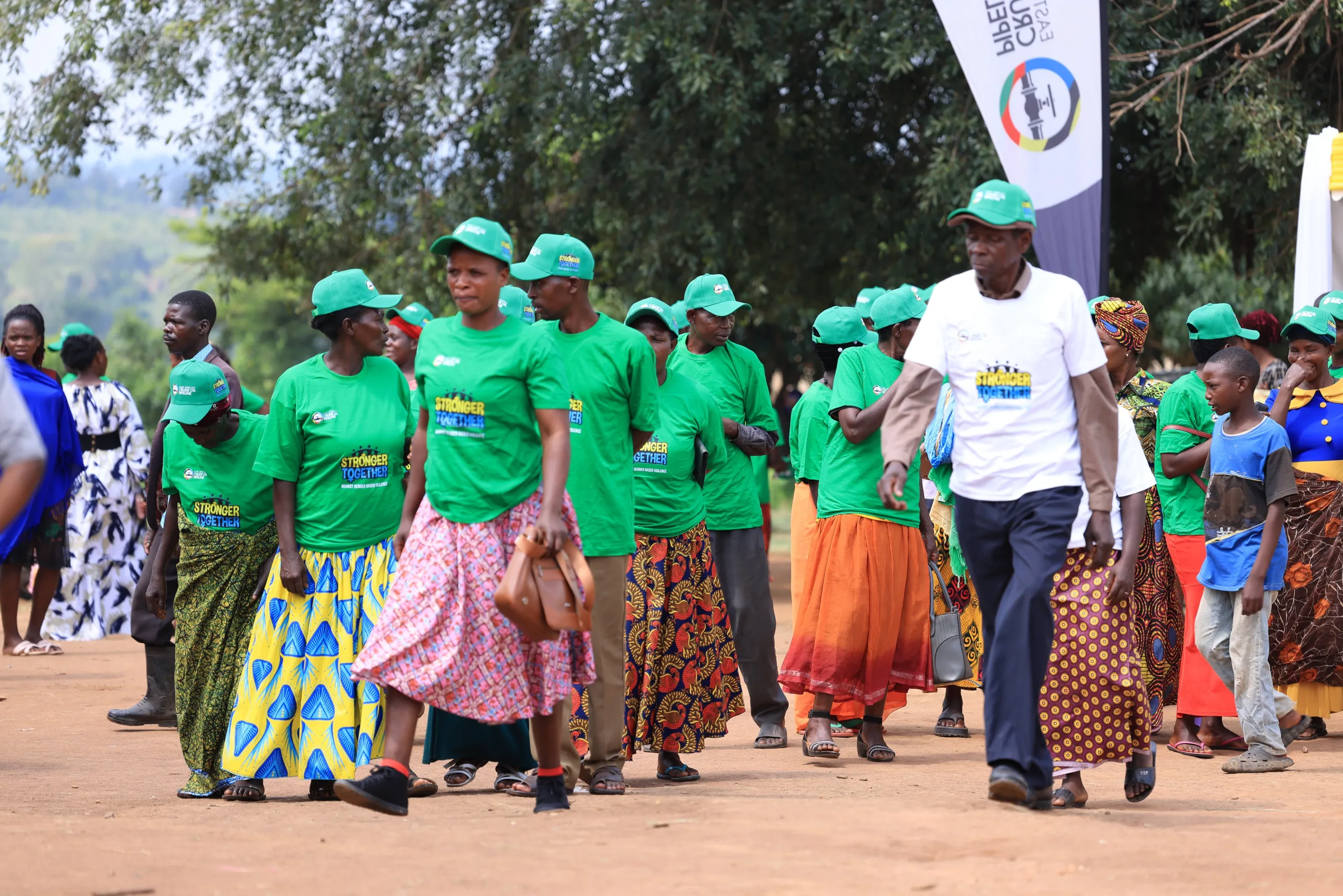
The launch brought together a broad coalition of stakeholders, including government officials, district leaders, civil society organizations, and community representatives. Their participation underscored the growing recognition that addressing GBV and advancing gender equality requires collective action and shared responsibility.
During the event, EACOP reinforced key messages central to its campaign: that gender-based violence is both a violation of human rights and workplace policy; that every individual has the right to access SRHR services and information; that respect, safety, and consent are non-negotiable; and that survivors should be encouraged and supported to report incidents through safe and designated channels.
To translate these commitments into action, EACOP rolled out a series of community-focused activities that blend education, dialogue, and service delivery. These included community theatre performances that used interactive drama and real-life scenarios to spark conversations on GBV, SRHR, and safety norms; the distribution of posters and flyers in Runyoro, Runyankole, and English to raise awareness and spread consistent messages across diverse communities; and the provision of mobile health service booths that offered onsite counselling and SRHR services through local health providers.
The services provided at the booths ranged from vitals checks, Hepatitis B screening, treatment for UTIs, HIV testing, condom distribution, and family planning services to malaria and TB screening as well as diabetes testing. Dialogue and counselling sessions were also organized to provide safe spaces for communities to openly discuss GBV and SRHR issues, while survivors were guided toward legal support and professional services through established referral pathways.
By combining advocacy, service delivery, and community empowerment, the campaign aims to shift mindsets and dismantle harmful practices that perpetuate GBV. It also sets the stage for safer, healthier, and more inclusive communities along the pipeline route.
With this initiative, EACOP has signaled that its vision goes beyond infrastructure development, extending to the protection of human rights, the promotion of gender equality, and the advancement of sustainable social change in Uganda.