FAMReports News Desk | June 2, 2025
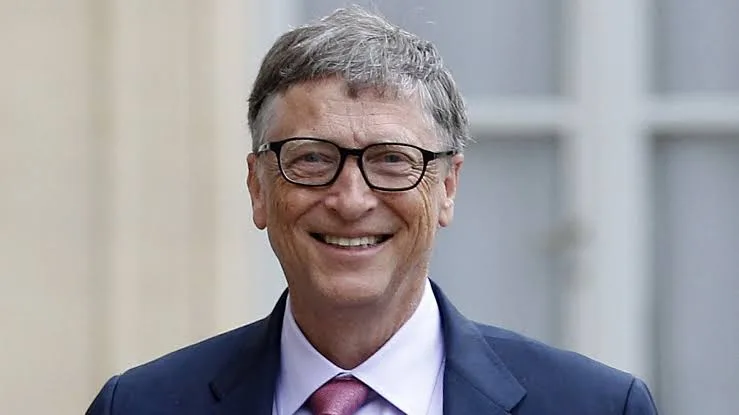
Philanthropist and Microsoft co-founder Bill Gates announced that the majority of his $200 billion personal wealth pledge will be invested in Africa over the next two decades. This bold declaration was delivered during a powerful address at the Nelson Mandela Hall in Addis Ababa, Ethiopia, marking the 25th anniversary of the Bill & Melinda Gates Foundation’s work on the continent.
The event, live-streamed by Africa.com, attracted over 12,000 attendees, including heads of state, health professionals, youth innovators, and global development leaders. Gates’ address signaled not only a financial commitment but a renewed call for African leadership to prioritize health, innovation, and inclusive development in the face of persistent global challenges.
A Pledge for the Next Generation
Gates began by reaffirming his personal mission to give away his fortune, stating, “I recently committed to giving away my wealth over the next 20 years. The majority of that funding will be spent on helping you address challenges here in Africa.”
The $200 billion pledge is the largest single financial commitment to Africa by an individual in modern history. It will focus on saving lives, combating infectious diseases, reducing maternal and child mortality, and accelerating prosperity through innovation in health and technology. This historic commitment builds upon the foundation’s impactful two-decade presence in Africa, where efforts through Gavi, the Vaccine Alliance, and the Global Fund have saved over 80 million lives and supported more than 100 health innovations.
Health and Human Potential at the Core
Central to Gates’ address was a call for African governments to build resilient primary healthcare systems as a pathway to national prosperity. He emphasized that “every country in Africa should be on a path to prosperity,” underlining the urgent need for maternal and child nutrition in the early years, which is key to long-term cognitive and physical development.
Gates advocated for systems that are inclusive, data-driven, and sustainable—ensuring every citizen, especially women and children, has access to essential health services. This, he said, would not only reduce preventable deaths but unlock the human capital necessary to drive future economic growth.
Africa as a Global AI Leader in Health Innovation
One of the most forward-looking parts of Gates’ speech focused on the transformative potential of artificial intelligence (AI) in healthcare. Citing Rwanda’s successful use of AI-assisted ultrasound technology to detect high-risk pregnancies, Gates encouraged African countries to embrace and scale similar homegrown solutions.
Recommended: Oxford’s Rhodes Scholarships 2026 Now Fully Open
He noted that African youth are already demonstrating ingenuity by applying AI to solve local health and development challenges. “Africa’s youth are already embracing AI to solve local problems,” Gates remarked, urging policymakers to invest in technological infrastructure and foster innovation ecosystems.
This focus aligns with the rise of tech hubs across the continent, signaling Africa’s readiness not just to consume but to lead in AI development—particularly in the health sector, where the benefits are immediate and far-reaching.
Leadership in Action
Gates commended countries like Ethiopia, Rwanda, Nigeria, Zimbabwe, Mozambique, and Zambia for their proactive and effective health initiatives. From Ethiopia’s iodine-folic acid double-fortified salt program to Nigeria’s reforms in primary healthcare, Gates highlighted how bold policy choices grounded in data can deliver scalable results.
“When leadership and innovation come together, even the most challenging circumstances can yield scalable solutions,” he stated, reinforcing the importance of strong, accountable governance.
High-Level Dialogues and Fireside Reflections
Following his keynote, Gates engaged in a fireside chat with Dr. Paulin Basinga, Director for Africa at the Gates Foundation. They discussed the future of strategic investments and local partnerships needed to build on the foundation’s success. The discussion echoed Gates’ belief that African development should be African-led, with external partners serving as supporters—not directors—of progress.
Recommended: Booming Beans: Uganda’s Coffee Earnings Surge to Record Shs780 Billion in April
Distinguished global leaders, including Dr. Ngozi Okonjo-Iweala, Director-General of the World Trade Organization, and UN Deputy Secretary-General Amina J. Mohammed, praised Gates’ philanthropic vision. Mrs. Graça Machel, a renowned advocate for women and children, lauded his “deep understanding of African challenges” and respect for local ownership in development processes.
On-the-Ground Engagement in Ethiopia and Nigeria
The announcement was complemented by Gates’ field visits to Ethiopia and Nigeria. In Addis Ababa, he met with Prime Minister Abiy Ahmed and participated in a roundtable with the Ethiopian Public Health Institute, focusing on nutrition innovation and health equity. In Nigeria, Gates is scheduled to meet President Bola Ahmed Tinubu and consult with local AI experts and public health officials on reforming and digitizing the country’s healthcare delivery systems.
These visits demonstrate the foundation’s commitment to understanding regional contexts and co-developing solutions that align with national development agendas.
Reaffirming a Legacy of Partnership
Since its inception, the Gates Foundation has worked hand-in-hand with African stakeholders to create sustainable change. Gates reiterated this approach: “We’ve been here for over 20 years, and we will continue to work side by side with you to build a healthier and more prosperous future.”
The address at Nelson Mandela Hall was not just a retrospective celebration—it was a forward-looking call to action. With $200 billion in pledged support, a spotlight on artificial intelligence, and a strong foundation of trust and partnership, Africa is poised for a new era of growth and innovation.
As the world watches, the message from Addis Ababa is unmistakable: the future of global development runs through Africa, and that future is brighter than ever before.